
- Easy Aussie Migration
- September 5, 2026
Beyond the Marriage Certificate: What Evidence Do You Need for an Australian Partner Visa?
Share Now:
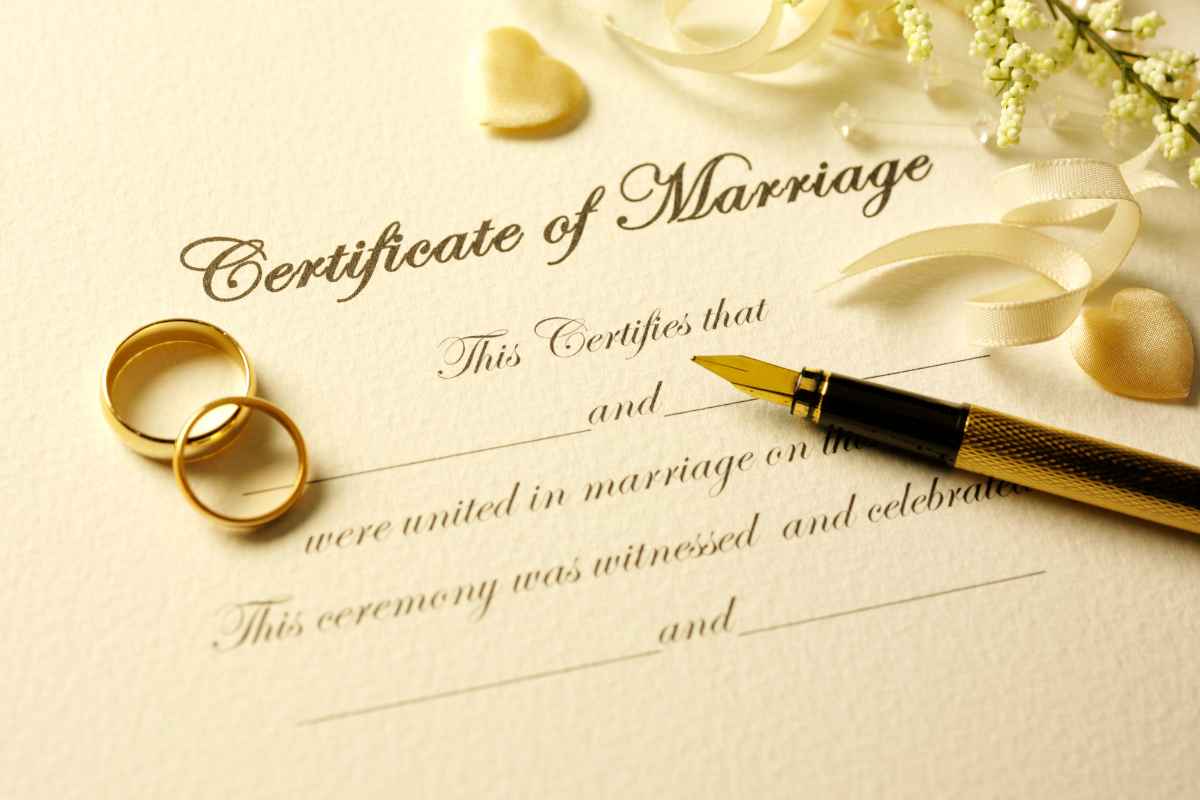
A marriage certificate is an important document when applying for an Australian Partner Visa, but it is not necessarily enough to demonstrate the full nature of your relationship.
For Partner Visa applications, the Department of Home Affairs may consider evidence that demonstrates whether your relationship is genuine and continuing. This means applicants should think beyond simply proving that they are legally married or in a de facto relationship.
Your application should tell a consistent story about your life together and provide supporting evidence across different aspects of your relationship.
The Department may consider relationship evidence across four key areas: financial aspects, household arrangements, social aspects, and the nature of your commitment to each other.
Is a Marriage Certificate Enough for a Partner Visa?
A marriage certificate can establish that you are legally married, and the Department’s document guidance lists a marriage certificate as relationship evidence for spouse applicants. However, relationship evidence can extend beyond the marriage certificate.
The purpose of providing broader evidence is to help demonstrate the reality of your relationship.
For example, two people may have a valid marriage certificate but live separately because of work, study or other circumstances. Another couple may share a home, finances, social activities and future plans but have limited joint documentation.
Every relationship is different, which is why it is important to provide evidence that accurately reflects your circumstances rather than simply submitting a large collection of unrelated documents.
1. Financial Aspects of Your Relationship
Financial evidence can help demonstrate how you and your partner manage financial responsibilities and expenses together.
Depending on your circumstances, useful evidence may include:
- Joint bank account statements
- Household bills in both names
- Joint mortgage or lease documents
- Joint loans
- Evidence of shared major purchases
- Evidence showing how household expenses are managed
- Other documents demonstrating financial interdependence
The Department specifically identifies joint bank accounts, household bills, joint loans and joint mortgage or lease documents as examples of relationship evidence.
You do not necessarily need to have every financial document in both names. What matters is presenting genuine evidence that reflects how your relationship operates financially.
For example, if one partner pays the rent while the other manages groceries, utilities or other household expenses, your supporting explanation should accurately describe this arrangement.
2. Household and Domestic Arrangements
Your living arrangements can provide important context about your relationship.
Evidence may include documents showing that you live together, correspondence addressed to both partners, household bills and other records demonstrating your shared domestic life.
You can also provide information about how household responsibilities are divided.
For example, your relationship statement could explain:
- Where you live
- When you started living together
- How rent or mortgage payments are managed
- How household bills are paid
- How domestic responsibilities are divided
- How you manage day-to-day household tasks
- Whether you have joint responsibilities for children
The Department lists evidence of living arrangements, joint household bills, correspondence and joint responsibility for children among possible forms of household evidence.
If you have not always lived together, do not try to create evidence that does not exist. Instead, explain the circumstances clearly and provide genuine evidence that supports your relationship history.
3. Social Aspects of Your Relationship
A genuine relationship usually exists within a wider social environment.
Evidence of the social aspects of your relationship can help demonstrate that your relationship is known to family members, friends and the wider community.
Examples may include:
- Invitations addressed to both partners
- Photos from events and celebrations
- Evidence of travelling together
- Evidence of shared social activities
- Evidence of common friends
- Evidence that you have participated in cultural or sporting activities together
- Evidence that you have informed relevant organisations or authorities about your relationship
The Department provides examples such as joint invitations, evidence of common friends, joint sporting or cultural activities and travel together.
A useful approach is to provide evidence from different stages of your relationship rather than submitting dozens of photographs from one holiday or one event.
For example, photos from family celebrations, birthdays, holidays and everyday activities may collectively help demonstrate the development of your relationship.
4. Nature of Your Commitment to Each Other
The fourth area concerns the nature of your commitment to each other.
This can be one of the more personal aspects of a Partner Visa application because it involves explaining your relationship, your shared life and your future intentions.
Evidence may include information demonstrating:
- Your knowledge of each other’s personal and family circumstances
- How you communicate when apart
- How you make important decisions together
- How you combine aspects of your personal lives
- Your future plans as a couple
- Your ongoing communication
- Other evidence showing your commitment to a shared life
The Department identifies knowledge of each other’s background, combining personal matters, wills, communication while apart and day-to-day communication as examples of evidence that may be relevant.
Your written statements are particularly important here. They should be truthful, consistent and based on your actual relationship history.
Quality and Consistency Matter
One common mistake is assuming that more documents automatically mean a stronger application.
The objective should be to provide relevant, genuine and consistent evidence.
Your application should tell a coherent story. Dates, addresses, travel history, relationship milestones and other information should be consistent across your forms and supporting documents.
For example, if you state that you started living together in January 2024 but provide a lease showing a different commencement date, you should explain the difference rather than leaving it unexplained.
Similarly, if you spent significant periods apart, explain why you were separated and provide relevant evidence of how you maintained your relationship during that period.
What If You Do Not Have Joint Documents?
Not every couple has joint bank accounts, a joint mortgage or bills in both names.
This does not mean you should create artificial arrangements simply to generate evidence.
Instead, consider what genuine evidence exists in your circumstances.
For example, couples who have recently started living together may have fewer joint financial documents. Couples who have spent periods living in different countries may have more communication and travel evidence.
The important point is to present your circumstances honestly and explain why certain types of evidence may not be available.
Supporting Statements From Family and Friends
Statements from people who know you and your partner can also be relevant to the social aspects of a Partner Visa application.
The Department provides Form 888 – Supporting statement in relation to a Partner or Prospective Marriage visa application. The form is designed for a person who knows the applicant and their partner and can comment on the history and nature of their relationship.
These statements should come from people who genuinely know the couple and can provide meaningful information about the relationship.
Organising Your Partner Visa Evidence
Instead of uploading documents randomly, consider organising your evidence into logical categories.
For example:
Financial
- Joint accounts
- Bills
- Lease or mortgage
- Shared expenses
Household
- Residential evidence
- Household bills
- Evidence of shared responsibilities
Social
- Photos
- Invitations
- Travel
- Events
- Evidence involving family and friends
Commitment
- Relationship statements
- Communication evidence
- Future plans
- Evidence of shared personal responsibilities
This structure can make it easier to understand how the evidence relates to your relationship.
The Department also recommends checking the relevant visa requirements and document checklist because the documents required can depend on your circumstances.
Avoid Submitting Evidence Just for the Sake of It
Partner Visa applications involve significant personal information, so evidence should be selected carefully.
A large number of repetitive screenshots or photographs may not necessarily add value. Instead, focus on evidence that demonstrates different aspects of your relationship and helps establish a clear timeline.
For example, rather than providing hundreds of similar photographs, select representative photos from different periods and occasions, with appropriate context where needed.
Your supporting documents should complement your written statements rather than contradict them.
Get Professional Guidance for Your Partner Visa Application
Preparing a Partner Visa application involves more than collecting a marriage certificate and uploading documents.
A strong application should present a clear and consistent picture of your relationship, supported by relevant evidence covering your financial arrangements, household life, social activities and commitment to each other.
The exact evidence that is appropriate will depend on your personal circumstances, relationship history and visa pathway. If you are unsure what evidence to provide, professional immigration advice can help you understand the requirements and prepare your application appropriately.
At Easy Aussie Migration, applicants can receive tailored guidance throughout the Partner Visa process. The team includes Australian lawyers, a former Department of Home Affairs case officer and Registered Migration Agents.
Final Thoughts
A marriage certificate can be an important part of an Australian Partner Visa application, but it is only one piece of the overall relationship picture.
Think about your application as telling the story of your relationship: how you manage your finances, how you live together, how you interact socially and how you demonstrate your commitment to one another.
By providing genuine, relevant and consistent evidence across these areas, you can present your relationship more clearly to the Department of Home Affairs.
Before submitting your application, always check the current requirements for your specific Partner Visa subclass and the documents requested through the Department of Home Affairs. Immigration requirements can change, so current official guidance should be relied upon when preparing an application.