

- Easy Aussie Migration
- October 14, 2026
7 Things to Check After a Visa Refusal in Australia
Share Now:
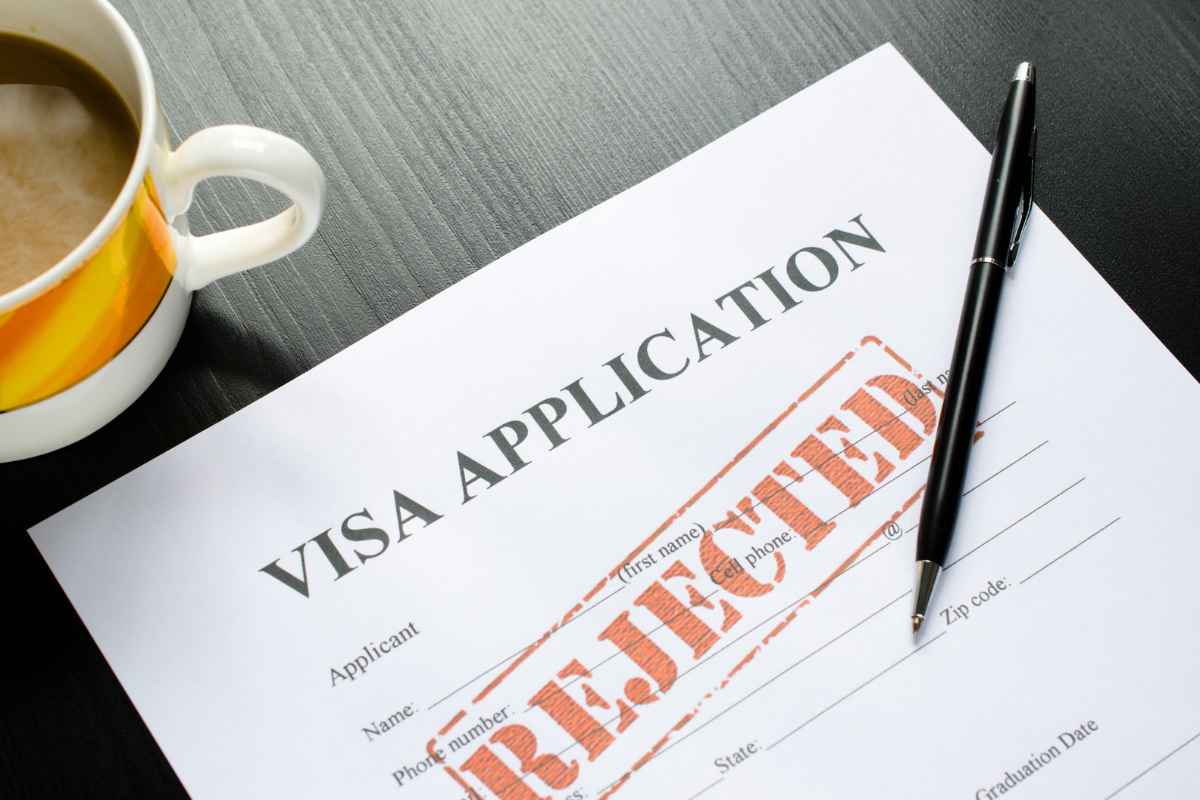
Receiving an Australian visa refusal can be stressful, especially when you have invested time, money, and effort into preparing your application. Whether you applied for a student visa, visitor visa, partner visa, or skilled migration visa, a refusal can affect your plans to study, work, visit family, or live in Australia.
However, a visa refusal does not always mean that you have no further options. Depending on your circumstances, you may be able to seek a review, submit another application, or explore a different visa pathway.
The most important step is to understand why your application was refused and what you can legally do next. Here are seven important things to check after an Australian visa refusal.
1. Read the Visa Refusal Letter Carefully
The first thing you should do after receiving a visa refusal is read the decision letter carefully. The Department of Home Affairs generally explains the reasons for refusing your application and identifies the relevant legal requirements.
Do not focus only on the final decision. Pay close attention to the detailed reasons provided by the decision-maker.
For example, a student visa may be refused because the decision-maker was not satisfied that the applicant met the genuine student requirement. A visitor visa may be refused because there were concerns about the applicant’s circumstances, travel intentions, or reasons for returning home.
A skilled visa application may be refused because the applicant did not meet a specific eligibility requirement or provide sufficient supporting evidence.
Make a list of each concern mentioned in the refusal letter. This will help you identify what went wrong and determine whether the issue can be addressed.
2. Check Whether You Have the Right to Appeal or Seek a Review
Not every Australian visa refusal can be reviewed. Your review rights depend on factors such as the visa type, the circumstances of the application, and whether the decision was made onshore or offshore.
In eligible cases, you may be able to apply to the Administrative Review Tribunal (ART) for a review of the decision.
Check your refusal notification to see whether it explains your review rights, the relevant tribunal, and the deadline for lodging an application.
Pay close attention to the deadline. Review periods can be short and may depend on how and when the decision was notified. Missing the applicable deadline can mean losing the opportunity to seek a review.
Do not assume that every refusal gives you a right to appeal. If the letter does not clearly explain your options, seek advice from a registered migration agent or Australian legal practitioner experienced in migration law.
3. Check Your Current Visa Status and Conditions
If you are in Australia when your visa is refused, checking your immigration status is extremely important.
A refusal does not automatically mean that you must leave Australia immediately, nor does it guarantee that you can remain. Your position depends on your existing visa, any bridging visa arrangements, and the circumstances of your application.
Check the following:
- Whether you currently hold a valid visa.
- Whether a bridging visa is in effect and its conditions.
- Whether your work or study rights have changed.
- Whether you have any restrictions on making another visa application in Australia.
- Whether you need to take action before a particular date.
You can use the Department of Home Affairs’ Visa Entitlement Verification Online (VEVO) service to check your current visa details and conditions.
If you are unsure about your lawful status, obtain professional migration advice promptly. Do not assume that lodging a review or a new application automatically gives you permission to remain in Australia.
4. Identify Missing Documents and Weak Evidence
Another important step is reviewing the documents you submitted with your original application.
Sometimes, applicants provide information that is incomplete, inconsistent, unclear, or insufficient to demonstrate that they meet the relevant visa requirements.
For example, a visitor visa applicant may have difficulty demonstrating their financial circumstances or explaining their travel plans. A student visa applicant may need to address concerns about their study intentions or circumstances. A partner visa applicant may need clearer evidence of the relationship, depending on the issues raised in the decision.
Review your application and compare the evidence against each reason for refusal.
Depending on the visa type, relevant documents may include:
- Bank statements and evidence of financial support.
- Employment records, payslips, or business documents.
- Academic records and enrolment information.
- Relationship evidence and supporting statements.
- Travel itineraries and evidence of personal circumstances.
- Documents explaining inconsistencies in your application.
Only provide documents that are genuine, accurate, and relevant. If information in your original application was incorrect, seek advice about how to address it properly.
Simply submitting more documents does not guarantee a successful outcome. The evidence must address the actual concerns identified in the refusal decision.
5. Check Whether You Can Apply for Another Visa
After a refusal, some applicants consider submitting another visa application. However, you should first determine whether a new application is legally permitted and whether it is likely to address the problems with the previous one.
Certain restrictions can prevent people who are in Australia from making another valid visa application while they remain in the country. These restrictions depend on the circumstances, including the visa held and the relevant provisions of migration law.
Before applying again, consider these questions:
- Have the reasons for the original refusal been properly addressed?
- Are you eligible for the visa you intend to apply for?
- Can you provide new or stronger supporting evidence?
- Are there restrictions on making another application in Australia?
- Could a new application affect your existing immigration arrangements?
For example, reapplying for a visitor visa with substantially the same evidence may not resolve the concerns raised in the previous decision.
Similarly, if your student visa was refused, you should understand the specific reasons for the decision before considering another application or a different pathway.
Remember that visa application charges are generally not refunded simply because an application is refused.
6. Understand the Impact of Your Previous Refusal
A previous visa refusal does not automatically prevent you from receiving another Australian visa. However, it is important to understand how the refusal may affect future applications.
You may be asked to disclose previous visa refusals in a subsequent application. You should answer all questions truthfully and consistently.
Failing to disclose relevant information or providing misleading details can create additional problems.
Consider the following before submitting another application:
Previous refusal reasons: Understand which visa requirements you did not satisfy and whether those issues remain unresolved.
Consistency of information: Check that your personal details, employment history, travel history, financial information, and other declarations are accurate.
Changed circumstances: If your circumstances have changed since the original application, determine whether those changes are relevant and can be supported with reliable evidence.
Visa-specific requirements: Each visa subclass has its own eligibility criteria. Meeting the requirements for one visa does not automatically establish eligibility for another.
It is also important to remember that a refusal and a visa cancellation are different decisions. Their consequences can differ, so obtain advice that relates specifically to your situation.
7. Seek Advice From a Registered Migration Agent or Migration Lawyer
Australian migration law can be complicated, particularly when a refusal involves review rights, application restrictions, or questions about your current visa status.
A registered migration agent or an Australian legal practitioner experienced in migration law can review your refusal letter, assess the available options, and explain the relevant deadlines.
Professional assistance may be particularly useful if:
- Your review deadline is approaching.
- You have received more than one visa refusal.
- You are unsure whether you can apply for another visa.
- You are concerned about remaining lawfully in Australia.
- Your application involves complex financial, relationship, character, or eligibility issues.
You can check a migration agent’s registration through the Office of the Migration Agents Registration Authority (OMARA). You should also verify that any legal practitioner you engage is appropriately qualified.
A professional cannot guarantee that your visa will be granted or that a review will succeed. However, appropriate advice can help you understand your options and avoid preventable mistakes.
What Should You Do First After an Australian Visa Refusal?
If you have received a refusal, start by saving your decision letter and reviewing the reasons carefully. Then check your review deadline, confirm your current visa status, and obtain advice before deciding whether to seek a review or submit another application.
Avoid rushing into a new application without understanding the issues that led to the original decision.
Get Professional Guidance With Easy Aussie Migration
A visa refusal can leave you uncertain about your future, but understanding your options is an important first step.
Easy Aussie Migration can be considered if you need assistance understanding Australian visa requirements and exploring your available migration options. The appropriate next steps will depend on your visa subclass, refusal reasons, current immigration status, and any applicable deadlines.
Contact Easy Aussie Migration to discuss your circumstances and determine what assistance may be suitable for your situation.