Image
Image
Image

Are You Part of the LGBTIQ+ Community and Afraid to Return Home?

You are not alone and you may have a pathway to safety.

Our experienced immigration team understands the unique challenges faced by LGBTIQ+ individuals. We have helped many people from diverse backgrounds secure Protection Visas in Australia when facing discrimination, violence, or criminalisation because of their sexual orientation, gender identity, or same-sex relationships.

Across the world, homosexuality remains criminalised in many countries, with harsh penalties ranging from imprisonment to public violence and social exclusion. In at least five countries, consensual same-sex relationships are punishable by death. In these places, being gay, lesbian, bisexual or transgender is not just stigmatised; it is a matter of life and death. People face brutal treatment, arrest, torture, and even execution simply for expressing their identity or loving someone of the same sex.

In contrast, Australia stands as a safe and inclusive country where LGBTI individuals are protected by law and supported to live openly and freely. Through the Protection Visa program, Australia recognises the dangers faced by LGBTI people overseas and provides a pathway to safety, dignity, and the freedom to live without fear. If you are facing persecution because of your sexual orientation or gender identity, Australia may offer you the protection and new beginning you deserve.
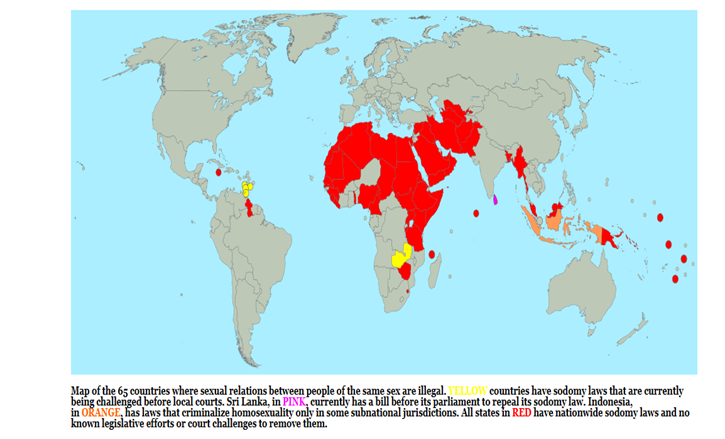


As of 2025, 65 countries criminalise consensual same-sex relationships. Among these, at least six impose the death penalty for homosexuality under their national laws, typically in countries governed by strict interpretations of religious or moral codes.

Here is a breakdown of the current situation:
  • 65 countries criminalise consensual same-sex relationships
  • 6 countries legally allow the death penalty for such relationships
  • 14 countries criminalise gender expression or identity under laws targeting cross-dressing or impersonation


In many of these countries, LGBTQI+ individuals face arrest, imprisonment, corporal punishment, or even execution. People are often detained or attacked on the basis of “morality,” and law enforcement frequently fails to protect them or actively participates in the abuse.

These alarming facts show that in many parts of the world, simply being gay, lesbian, transgender, or non-binary puts people at serious risk. This is why Australia’s LGBTQ Protection Visa framework offers a vital lifeline to LGBTQI+ individuals fleeing persecution.


Image

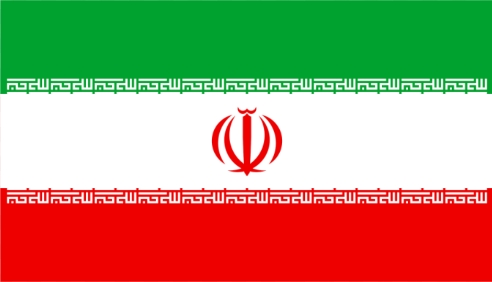
Iran

Image

Saudi Arabia

Image

Yemen

Image

Nigeria

Image

Unired Arab Emirates

Image

Pakistan

Image

Bangladesh

LGBTI Protection Visa – Your Safety Matters

If you have a well-founded fear of persecution in your home country because of your sefoundedxual orientation or gender identity, you may be eligible for a Protection Visa (subclass 866) in Australia.

Many countries still criminalise same-sex relationships and fail to protect LGBTI people from violence, harassment, and discrimination. In some places, simply living openly can lead to arrest, abuse, or even death.

At Easy Aussie Migration, we support individuals who face these real risks. Many of our clients are international students, tourists, or temporary visa holders who fear returning home due to who they are. We provide compassionate and expert assistance to help you apply for protection and seek permanent safety in Australia.

Your identity should never put your life in danger. Let us help you claim your right to live freely, safely, and with dignity.

Image


LGBTI Protection Visa – Fear of Persecution

To be recognised as a refugee under Australian law, you must have a well-founded fear of persecution. This means:

  • You fear being persecuted for at least one of the five reasons recognised in the law: your race, religion, nationality, political opinion, or membership of a particular social group
  • There is a real chance you would face this persecution if you return to your home country
  • This risk of persecution must exist in all parts of your home country, not just in one area.
  • The main reason for the persecution must be one of the five listed above
  • The persecution must involve serious harm and be carried out in a systematic and discriminatory way

This legal test ensures that protection is only granted to people who face real, ongoing risks and cannot find safety anywhere in their country.

LGBTI Complementary Protection in Australia


Even if you do not meet the strict definition of a refugee, you may still qualify for a Protection Visa under Australia’s complementary protection provisions.


Complementary protection applies to people who face serious harm if sent back to their home country, even if that harm does not fall under the Refugee Convention. These protections come from international human rights agreements that Australia has signed, including the Convention Against Torture (CAT) and the International Covenant on Civil and Political Rights (ICCPR).


For many LGBTI individuals, returning to their country could mean facing violence, torture, imprisonment, or other cruel and degrading treatment, simply for who they are. Some governments are unable or unwilling to protect them. In some cases, the threat comes directly from authorities themselves.


Under Australian law, if there are substantial grounds to believe that you are at real risk of serious harm, such as being killed, tortured, or abused, you may be eligible for a protection visa through complementary protection.


This pathway reflects Australia’s commitment to international human rights and ensures that no one is sent back to danger, especially those from the LGBTI community who are often unfairly targeted and left unprotected.


Apply LGBT protection visa

Helpful Things to Be Aware Of

  • What is Particular Social Group?

    Under the Migration Act, a person may be considered a refugee if they fear persecution because they belong to a “particular social group.” There are two main ways this can apply:

    Family-Based Social Group

    You may be part of a particular social group if your fear of persecution arises because of your family ties. Family can be recognised as a social group when the threat is due to relationships or association with specific family members.

    Shared Characteristics

    A person can also be considered part of a particular social group if:

    • All members of the group share a common characteristic
    • The person shares or is seen to share that characteristic
    • One of the following applies:
      • The characteristic is innate or cannot be changed (such as ethnicity, sexuality, or gender)
      • It is so essential to the person’s identity or beliefs that they should not be expected to give it up
      • It clearly sets the group apart from the wider society
  • What Is Considered Serious Harm?

    To qualify for a LGBTIQ+ Protection Visa, the fear of persecution must involve serious harm. This means the person is at risk of suffering significant and ongoing damage to their safety, wellbeing, or ability to survive. Serious harm can include:

    • Threats to your life or freedom
    • Ongoing physical harassment
    • Physical abuse or mistreatment
    • Severe economic hardship that affects your ability to survive

    Being denied access to essential services, such as food, shelter, or healthcare, to the point that your survival is at risk

    Being denied the ability to work or earn any income, making it impossible to meet your basic needs

    Each case is assessed individually, and the harm must be linked to one of the five recognised grounds for persecution: race, religion, nationality, political opinion, or membership of a particular social group.

  • What Does ‘Real Chance of Persecution’ Mean?

    To be granted a LGBTIQ+ Protection Visa, your fear of persecution must be based on a real chance that you would face serious harm if you return to your home country. This does not mean the harm is certain to happen, but it must be more than just a remote or unlikely possibility.

    A “real chance” means the risk must be genuine and could reasonably occur in the near future. If there is a part of your country where you could safely and legally live without facing persecution, you may not meet the definition of a refugee. However, this safe area must actually be accessible to you, not just theoretically available.

  • Modifying Your Behaviour to Avoid Persecution – what does this mean?

    Under Australian law, a person is not considered to have a well-founded fear of persecution if they could reasonably change or modify their behaviour to avoid harm in their home country.

    However, this does not apply if the change would:

    • Go against a characteristic that is essential to the person’s identity or conscience
    • Require the person to hide or deny a characteristic that is natural and cannot be changed

    For example, a person should not be expected to:

    • Change or hide their religious beliefs, including renouncing a conversion or stopping religious practice
    • Hide their race, ethnicity, nationality, or country of origin
    • Change or suppress their political opinions
    • Hide a physical, psychological, or intellectual disability
    • Accept or remain in a forced marriage, or allow the forced marriage of a child
    • Alter or conceal their sexual orientation, gender identity, or intersex status

    In short, if modifying your behaviour means denying who you truly are, you may still be considered to have a genuine fear of persecution.

  • What is Right to Live in Another Country?

    If a person has the legal right to enter and live in another country where they would not face persecution or serious harm, they are expected to take all reasonable steps to use that right.

  • Seeking Protection from Authorities in Your Home Country?

    If your home country’s government (or another authority with widespread control) is able and willing to offer you effective protection, you may not meet the refugee definition. This protection must be:

    • Accessible – You must actually be able to go to law enforcement and the courts in your country.
    • Durable – It should be ongoing, not temporary or superficial.
    • Effective – The country must have a functioning judicial system, reasonable police response, and enforcement of criminal law.

    Under Australian law, if such protection exists and is genuinely available to you, it indicates that your fear of persecution is not well-founded. This means your application for a Protection Visa may not succeed.


    Why this matters?

    The Migration Act and international refugee standards require this test. Claiming protection through courts or police in your country indicates you have alternatives to seeking refuge in Australia. Evidence of functioning legal systems and mechanisms for protection may significantly affect your visa outcome.

  • What is Systematic and Discriminatory Conduct?

    To meet the definition of well‑founded fear under Australian law, the persecution you face must involve both serious harm and be targeted in a deliberate, discriminatory way.

    Systematic means the harm is not random. It is planned, organised or recurring, rather than isolated or accidental.

    Discriminatory means you are being singled out because of who you are; for example, your race, religion, nationality, political views, or membership of a particular social group. It is not harm that anyone could suffer, but harm meant specifically for you or your group.

    If the serious harm you fear is not directed at you or at people like you for one of the recognised reasons, it does not meet the persecution test. In this case, your fear would not be grounds for refugee protection under Australian law.

    Per Australian law (ss 5J(4)(c) and 91R(1)(c) of the Migration Act), persecution must involve this deliberate, targeted harm. Courts and tribunals have affirmed that isolated incidents or general violence do not qualify unless they are part of a pattern of discrimination targeting you or your group because of your identity.

  • What is Gender Identity?

    Gender identity refers to a person’s deeply held sense of their own gender. It may or may not align with the sex assigned to them at birth. This includes how someone perceives their own body and how they express their gender through clothing, speech, behaviour, and social roles. For some individuals, gender identity is so essential to who they are that they may seek to change their physical appearance or legal status to better reflect their true self.

  • What is Gender Transition?

    Gender transition is the personal process of aligning one’s physical appearance or social identity with their gender identity. This can include changes such as adopting a new name, changing pronouns, wearing different clothing, or taking steps like hormone therapy or gender affirmation surgery. Each person’s journey is different and guided by what feels right for them.

  • What is a Sur Place LGBTI Claim?

    A sur place LGBTI claim refers to a protection visa claim that arises after a person has left their home country. These claims can emerge for several reasons. Some people come to understand or accept their sexual orientation or gender identity only after leaving their country of origin. Others may have kept this part of their identity hidden due to fear of persecution and only begin to live openly once in a safer environment.

    A sur place claim can also arise if the person’s sexual orientation or gender identity becomes known after they leave their country—for example, through social media, community activities, or being outed by someone else. In some cases, changes in laws or increased hostility in their home country may create a new risk of harm that did not exist before.

    People making sur place claims may face serious danger if returned home, including violence, arrest, or social exclusion, simply because of who they are or have become known to be. Australia's protection visa system recognises these risks and allows such individuals to seek safety and a future free from fear.

Book A Consultation

Become a part of the Easy Aussie Migration lawyers family. We would love to assist you with your visa application!

    Why Choose Us

    Trusted by Individuals and Families Across Australia

    Icon

    Experienced Team

    With years of experience handling a wide range of visa cases, our team understands the complexities of Australian immigration law. We’ve helped thousands of individuals and families start new lives in Australia with our expert advice and reliable support.

    Icon

    Fixed Pricing & Client Trust

    No hidden fees. Our transparent, fixed pricing model means you know exactly what you’ll pay with no surprises. Hundreds of clients have placed their trust in us, confident that our fees reflect the true value of our expertise and commitment to their success.

    Icon

    Tailored Visa Solutions

    Every client’s journey is unique, so we never take a one-size-fits-all approach. We carefully assess your circumstances and craft visa strategies that align with your personal goals and immigration needs. Your success is our priority.

    Icon

    Fast and Efficient Service

    Time matters when it comes to immigration. We use smart systems and efficient workflows to process applications quickly and accurately. Our team stays responsive and proactive to keep your visa journey moving smoothly.

    Icon

    Reliable & Clear Communication

    We keep you informed every step of the way in plain and simple language. Whether it’s by email, phone or video call, you’ll always know what’s happening with your application. Our team is ready to answer your questions promptly and clearly.

    Icon

    End-to-End Support

    From your first consultation to final visa approval, we’re with you every step of the way. Whether it’s documentation, communication with authorities, or answering your questions, we provide full support until you reach your goal.