Image
Image
Image

SEEKING ASYLUM IN AUSTRALIA? FEAR PERSECUTION BACK HOME?

Subclass 866 (Onshore) – Permanent Protection Visa

At Easy Aussie Migration, we specialise in Protection Visas. Our principal agent, Roy, has hands-on experience working at the Department of Home Affairs in the Protection Visa section, as well as at a reputed immigration law firm known for handling complex protection matters. This background gives us deep insight into what the Department looks for credible claims, consistent evidence, and clear compliance with Australian migration law. We understand how important safety and security are, and we are here to guide you with compassion, clarity, and professional support at every step.

About the Subclass 866 Protection Visa

The Protection Visa (Subclass 866) is for people who are already in Australia and fear returning to their home country due to serious risks such as persecution, torture, or other significant harm. This permanent visa allows eligible applicants to live and work in Australia if they meet the legal requirements under Australia’s refugee and humanitarian protection framework. To apply, you must be in Australia and hold a valid visa.

Australia is a signatory to the 1951 Refugee Convention and its 1967 Protocol, which means it has committed to protect people who face genuine threats to their safety. These agreements form the foundation of Australia’s protection obligations. Under Article 33(1) of the Refugee Convention, Australia must not send a refugee back to a country where their life or freedom would be at risk due to their race, religion, nationality, political opinion, or membership of a particular social group.

Image

Eligibility for a Protection Visa (Subclass 866)


To be eligible for a Protection Visa in Australia, you must meet specific legal requirements that show you are genuinely in need of protection.


Valid Visa: you must be in Australia and hold a valid visa when you apply. This could be a visitor visa, student visa, or any other valid entry visa. Your application must be made while you are physically in Australia.


Protection Obligations: You must also meet Australia’s protection obligations under international and domestic law. This means you need to show that you are a refugee under the Refugee Convention or that you face a real risk of serious harm if returned to your home country. Such harm may include threats based on your race, religion, nationality, political opinion, or membership of a particular social group.


Well-Founded Fear of Persecutions: the fear of persecution must be current and forward-looking. Even if you experienced harm in the past, the law focuses on whether you now face a real chance of being harmed if you go back. Changes in your home country or your own personal situation since arriving in Australia can also be considered.


Health and Character: you must meet health and character requirements set by the Department of Home Affairs. You should not be barred by any exclusions, such as involvement in serious criminal activities or previous visa violations.


Each case is different, and the assessment is complex. That is why it is important to have clear evidence to support your claims. At Easy Aussie Migration, we take the time to understand your circumstances and help you build a strong case based on your situation and the legal requirements.


Fear of Persecution

To be recognised as a refugee under Australian law, you must have a well-founded fear of persecution. This means:

  • You fear being persecuted for at least one of the five reasons recognised in the law: your race, religion, nationality, political opinion, or membership of a particular social group
  • There is a real chance you would face this persecution if you return to your home country
  • This risk of persecution must exist in all parts of your home country, not just in one area.
  • The main reason for the persecution must be one of the five listed above
  • The persecution must involve serious harm and be carried out in a systematic and discriminatory way

This legal test ensures that protection is only granted to people who face real, ongoing risks and cannot find safety anywhere in their country.


What are the 5 reasons?

To be granted a Protection Visa, you must show that you are at risk of serious harm and Well-founded fear of persecution if you return to your home country. This includes persecution based on your:

  • Race
  • Religion
  • Nationality
  • Political opinion
  • Membership of a particular social group

You may also qualify if you face torture, inhumane treatment, or other serious human rights violations.


Afraid to Return to Your Home Country?

If you are currently in Australia and believe your life or safety would be at serious risk if you return to your home country, you may be eligible for a Protection Visa. This visa allows you to remain in Australia permanently.

You can apply if you have a genuine fear of persecution or serious harm in your country of origin. If this applies to you, please complete the contact form to speak with one of our experienced protection visa professionals today. We’re here to listen and help.


Benefits of Holding a Protection Visa (Subclass 866):

  • Permanent Residency: Live, work, and study in Australia indefinitely with full access to services and legal rights.
  • Access to Healthcare and Social Support: Eligible for Medicare (public healthcare) and social security benefits ensures your access to essential services.
  • Family Sponsorship: You can sponsor eligible family members to join you in Australia.
  • Travel Rights: Travel freely in and out of Australia for five years from the date the visa is granted.
  • Pathway to Citizenship: You may be eligible to apply for Australian citizenship once you meet the residency and other requirements.
  • Settlement and Stability: Enjoy a secure and permanent home in a safe, democratic country with strong legal protections.


Image

Complementary Protection – What You Should Know

Australia’s protection system also offers complementary protection to people who do not meet the strict refugee definition but still face serious risk if returned to their country. These protections are based on international human rights obligations, such as the Convention Against Torture (CAT) and the International Covenant on Civil and Political Rights (ICCPR), and are embedded in Australian law.

To qualify for complementary protection, you must show that there are reasonable grounds to believe you could suffer significant harm if sent back to your home country. This harm may include:

  • Torture
  • Cruel, inhuman, or degrading treatment or punishment
  • Arbitrary loss of life

Complementary protection allows protection visa applicants to make claims beyond the traditional grounds of race, religion, or political opinion. It reflects Australia’s commitment to international human rights standards, which prohibit returning anyone to a place where they face life-threatening or inhumane treatment.

If you believe you face such risks, you may be eligible for a Protection Visa (Subclass 866) based on complementary protection.

SPEAK WITH ONE OF OUR MIGRATION AGENT TODAY ABOUT APPLYING FOR A SUBCLASS 866 VISA!

Why Choose Easy Aussie Migration for Your Protection Visa

At Easy Aussie Migration, we understand that applying for a Protection Visa can be an emotionally difficult and legally complex process. Many applications are refused each year due to incomplete information, misunderstanding of legal requirements, or lack of proper support. That is why having experienced and compassionate professionals by your side from the beginning can make all the difference.

  • We Know How to Get It Right: Our team has strong expertise in handling protection visa applications. We understand the key legal elements required to meet Australia’s protection obligations and know how to avoid the common mistakes that lead to refusal. With our background in the Department of Home Affairs and protection law, we are well equipped to prepare detailed, accurate, and compelling applications.
  • High Success Rate Across Many Complex Cases: We have successfully assisted clients from diverse backgrounds, including politically persecuted individuals, religious minorities, LGBTQIA+ applicants, and victims of violence or discrimination. Each case is carefully assessed, and we work closely with you to build strong legal arguments supported by evidence.
  • Expert Support in Sensitive and Difficult Matters: Protection claims are often complex, emotional, and sensitive. We guide you with care and professionalism. Whether your situation has changed after arriving in Australia, or you fear serious harm due to your beliefs, identity, or affiliations, we help frame your claims in line with the law.
  • End-to-End Guidance: From the first consultation to the final decision, we stay with you. We help gather and organise your documents, draft strong written statements, respond to requests from the Department, and prepare you if your case is referred to the Immigration Assessment Authority (IAA).
  • Trusted and Dedicated Team: We are experienced, empathetic, and deeply committed to helping you feel safe and heard. We understand how distressing it can be to relive traumatic experiences. That is why we handle every case with care, confidentiality, and attention to detail.
  • Save Time, Reduce Stress, and Improve Your Chances: Mistakes or incomplete applications can lead to delays or refusals. By choosing experienced migration professionals from the start, you reduce risk and increase your chances of a successful outcome.
  • Committed to Compliance and Quality: As registered Australian migration agents, we meet high professional and ethical standards. We ensure your application complies with current migration laws and reflects your story clearly and truthfully to support your case effectively.

What Happens During a Protection Visa Interview?


Arranging Your Interview

After you submit your application, the Department of Home Affairs will invite you to attend an interview. This could take place months after lodgement. The interview may be conducted in person at a departmental office or via video, depending on your location or other circumstances.


Attendees and Documentation

You will be interviewed by a case officer from the Department. If needed, an interpreter can be arranged. You are allowed to bring your registered migration agent or a support person.
Before the interview begins, the officer will confirm your identity and may ask to see original documents, such as your passport, photo ID, or other supporting evidence submitted with your application.


Recording & Questions

The interview is usually audio-recorded with your consent. This recording becomes part of your case record. You will be asked detailed questions about why you are afraid to return to your country of origin. The officer will refer to your written statement and ask for clarification if any part of your story is unclear or inconsistent.


Why Preparation Is Crucial

Many protection visa refusals happen after interviews due to lack of preparation. Even small differences between your statement and your spoken answers can affect your credibility. This makes careful preparation essential. Reviewing your written claims, practising likely questions, and understanding the interview process can significantly improve your chances of success.


How We Support You

At Easy Aussie Migration, we take this part of the application seriously. We offer:

  • Mock interviews based on actual interview questions
  • Advice on answering clearly and consistently
  • Feedback on your responses and body language
  • Accompaniment to your interview for support and guidance


We help you prepare fully so that you can confidently explain your situation and give your application the best possible chance of success.

Cost and Processing Time:

The Department of Home Affairs visa application fee is around $50 + Credit/Debit Card surcharge.

Our service fees depend on the complexity of your case and the level of assistance required from eligibility assessment to final submission.

For a tailored quote, book an initial consultation. We offer fixed-fee packages designed to give you certainty and value.

Processing times can vary depending on your circumstances and the complexity of your case. Some applications are decided within a few months, while others take longer. We recommend preparing and lodging a complete and accurate application with all required documents to improve your chances of receiving a quicker response.

Image

Book A Consultation

Become a part of the Easy Aussie Migration lawyers family. We would love to assist you with your visa application!

    Top Protection Visa Countries

    Image

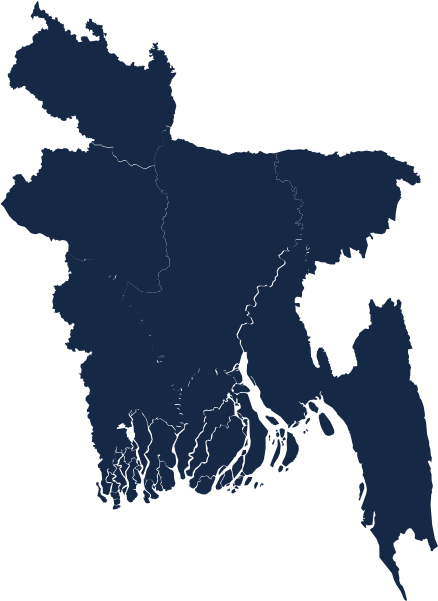
    Bangladesh

    Since the student-led uprising in July 2024 and the resignation of Prime Minister Sheikh Hasina on 5 August 2024, Bangladesh has experienced a growing crackdown on political dissent, religious minorities, journalists, and activists. The interim government launched a nationwide operation known as Operation Devil Hunt in early 2025, resulting in the arrest of over 11,000 individuals—most of whom were supporters of the former Awami League and student leaders.

    On 16 July 2025, a peaceful youth rally in Gopalganj turned violent when security forces responded with heavy force, leaving at least four people dead and many others injured. These events have raised serious concerns about the use of excessive force, including arbitrary arrests and extrajudicial killings.

    The crackdown has particularly targeted religious minorities, especially Hindus, who have faced an alarming rise in hate crimes. Between August 2024 and June 2025, more than 2,400 cases of violence against Hindus were reported. These included physical attacks, destruction of temples, looting of homes, and widespread intimidation.

    The United Nations and human rights organisations have documented the use of beatings, pellet guns, arbitrary detention, torture, and forced disappearances against protestors, journalists, and members of opposition parties. This widespread abuse has undermined public trust in law enforcement and the justice system.

    Freedom of speech and press freedom have also been under attack. Dozens of journalists have faced threats, physical violence, or been falsely charged for their reporting. Some have lost accreditation or access to financial services as part of a broader suppression of media freedom.

    Religious minorities—including Hindus, Christians, and atheists—continue to face systemic discrimination and targeted attacks. Women and girls are also at heightened risk. In the first half of 2025 alone, more than 1,000 cases of sexual violence were reported, many involving victims under the age of 18. Bangladesh still has one of the highest child marriage rates in the world, with nearly 42% of girls married before the age of 18.

    People from Bangladesh may seek asylum in Australia if they face risks due to:

    • Political persecution, particularly for involvement in protests or ties to opposition parties
    • Being part of the LGBTQ+ community
    • Religious persecution, especially as Hindus, Buddhists, Christians, or atheists
    • Working as a journalist or media professional
    • Human rights or civil society activism
    • Gender-based violence, including child marriage and sexual violence

    Sources: gov.uk, AP News, United Nations Human Rights Office, ucanews.com, Human Rights Watch

    Read More
    Image

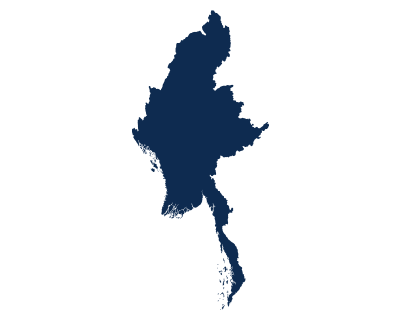
    Myanmar

    Since the military coup on 1 February 2021, the situation in Myanmar has severely worsened. The Tatmadaw, or military, took control from the elected government and imposed a state of emergency. This triggered widespread violence across the country, resulting in the deaths of thousands of civilians, including children. Over 3 million people have been displaced, with many areas experiencing ongoing military operations.

    The military continues to carry out airstrikes and large-scale raids in civilian areas. In 2025, one such airstrike killed more than 20 school children and teachers in Sagaing Region during a pro-democracy education session. These actions are part of a pattern of targeting schools, healthcare centres and places of worship.

    Minority groups, especially the Rohingya, remain at high risk. They face restrictions, violence, displacement, starvation, and denial of medical aid. Reports have also revealed deaths from hunger and preventable illness due to government blockades on humanitarian assistance.

    The military has introduced strict laws to suppress freedom of speech and increase surveillance. Civilians, journalists, activists and public servants have been arrested, tortured or killed. An international arrest warrant was issued in early 2025 against General Min Aung Hlaing for alleged genocide and crimes against humanity.

    The humanitarian crisis is growing. The country faces economic collapse, healthcare breakdown, and an absence of rule of law. International observers warn that Myanmar is becoming ungovernable, and millions are at risk of serious harm and persecution.

    People from Myanmar may seek asylum in Australia due to if they face risks due to:

    • Participation in anti-coup protests or expressing anti-military views
    • Support for democracy or political opposition
    • Belonging to ethnic minority groups such as Rohingya, Karen, Kachin or Shan
    • Involvement in human rights work or peaceful activism
    • Risk due to gender identity or sexual orientation including Same-sex relationships
    • Being part of religious minorities facing targeted discrimination

    Sources: United Nations Human Rights Office, Human Rights Watch, The Washington Post

    Read More
    Image

    Pakistan

    The Pakistani government has intensified crackdowns on journalists, activists, and political opponents under the justification of national security. Enforced disappearances, extrajudicial killings, and torture continue to be reported across several regions, particularly in Balochistan, where hundreds of individuals have gone missing and many have been killed by security forces. A newly formed national paramilitary force has raised concerns about its potential use in suppressing political dissent, especially during protests associated with opposition parties. Religious minorities, LGBTQ individuals, and women face significant levels of violence and systemic discrimination. Blasphemy laws are often misused to target vulnerable groups, with allegations frequently leading to mob violence and personal vendettas.

    Women and girls remain particularly at risk of gender-based violence, including honour killings, forced marriages, and abuse, often without any meaningful legal protection. Since reinstating the death penalty in 2014, Pakistan has executed more than 490 individuals.

    Ethnic and religious groups such as Ahmadi Muslims, Hazaras, and Shi’a Muslims are frequently targeted for persecution. In regions like Balochistan, security forces have also cracked down on human rights defenders. Activists have been detained and harassed, and ongoing insurgencies contribute to civilian casualties and instability.

    People from Pakistan may seek asylum in Australia due if they face risks due to:

    • Being Christian or a Christian convert
    • Identifying as LGBTQ
    • Fear of gender-based violence such as honour-related abuse or forced marriage
    • Holding political opinions that differ from or oppose the government
    • Belonging to minority communities such as Ahmadis, Hazaras, Turis, or Shi’a Muslims
    • Being at risk of false accusations or violence related to blasphemy laws
    • Being a high-profile community member or activist who is targeted due to their identity or work

    Sources: Reuters, Baloch National Movement. AP News(apnews.com)

    Read More
    Image

    Iran

    Since 2022, protests have grown across Iran following the death of Mahsa Amini after she was arrested for allegedly violating hijab rules. Security forces responded harshly, shooting protesters, including women and children, and arresting thousands without fair process.

    In 2025, the Iranian government intensified its crackdown on dissent. Over 700 people have been arrested, including students, journalists, lawyers, human rights defenders, and members of ethnic and religious minorities. Many detainees have been subjected to beatings, torture, sexual violence, and mock executions to force confessions.

    Iran continues to carry out one of the highest numbers of executions in the world. In 2025, individuals such as Abbas Kourkouri were executed in connection with protest activity, despite serious concerns about unfair trials and torture. In another case, a Kurdish farmer named Rezgar Babamiri was sentenced to death after reportedly being tortured into confessing.

    The government also increased its surveillance of women, using drones, facial recognition, and mobile apps to enforce dress code rules. In one instance, a woman was shot and paralysed after being stopped over a minor dress code issue.

    Religious persecution remains severe in Iran. Religious minorities, including Bahá’ís, Christian converts, and Sunni Muslims, are frequently arrested, harassed, and denied access to education, jobs, and the ability to practice their faith freely. Authorities have used broad laws such as "waging war against God" or "spreading corruption" to punish dissenters and members of unrecognised faiths.

    People from Iran may seek asylum in Australia due if they face risks due to:

    • Same-sex relationships or gender identity
    • Conversion to Christianity or other non-recognised religions
    • Being part of minority religious groups such as Bahá’í or Sunni Muslim communities
    • Participation in anti-government protests or political activism
    • Challenging the government’s dress code rules or defending women’s rights
    • Being journalists, lawyers, students or human rights activists

    Sources: Human Rights Watch, Centre for Human Rights in Iran, The Guardian, AP News

    Read More
    Image

    Sri Lanka

    Sri Lanka continues to struggle with accountability and justice for abuses committed during its 26-year civil war, which ended in 2009. Despite repeated promises from the government, little progress has been made in prosecuting those responsible for wartime abuses or advancing reconciliation. Efforts to establish an independent truth-seeking mechanism have faltered, and those accused of oppression remain influential within the security services.

    The Preventive Terrorism Act remains in force, enabling security forces to detain suspects for extended periods without charge. Reports document consistent use of torture, deaths in custody, enforced disappearances, and extrajudicial killings by security personnel, with little to no oversight or legal accountability.

    Religious minorities, particularly Muslims and evangelical Christians, face rising threats from ultra-nationalist groups. Since 2017, there have been numerous incidents of intimidation, attacks on mosques and churches, and disruptions to worship.

    LGBTQ+ individuals in Sri Lanka continue to experience widespread social stigma, discrimination, harassment, and violence. Same-sex relationships remain criminalised under colonial-era penal code provisions, and legal reform efforts to decriminalise these acts have stalled. Violence linked to war-era abuses remains unresolved. Enforced disappearances, deaths in custody, and extrajudicial executions continue to affect families, with little transparency or justice.

    People from Sri Lanka may seek asylum in Australia due if they face risks due to:

    • Evangelical Christian or Muslim faith
    • LGBTQ+ identity or sexuality
    • Tamil separatist or former LTTE affiliation
    • Risk of death in custody
    • Exposure to enforced or involuntary disappearance
    • Threats from extrajudicial killings

    Sources: Human Rights Watch, US Department of States, dw.com, groundviews.org

    Read More
    Image

    India

    Under the current Bharatiya Janata Party (BJP) government, vigilante groups aligned with Hindu nationalist ideologies have carried out violence against religious minorities, women, LGBTQ+ individuals, and critics of the government. Authorities frequently fail to investigate or hold perpetrators accountable, encouraging impunity and reinforcing extremist narratives.

    Since the BJP’s third-term election win in June 2024, reports show a marked increase in anti-minority hostility and hate speech. Hate incidents rose by 74 percent during the 2024 election campaign, targeting Muslims, Christians, Sikhs, and Dalits. Numerous communal flare-ups have erupted, such as the Nagpur violence in March 2025, involving attacks on Muslim homes and places of worship.

    State governments have introduced strict anti-conversion or so-called love jihad laws. These laws, enacted in states like Uttar Pradesh and Maharashtra, criminalise religious conversion in interfaith marriages and are heavily enforced against Muslims and Dalits. National anti-conversion legislation is now under consideration.

    Security forces continue to use harsh methods with little oversight. A 2025 report found that Muslims, Dalits, and Adivasis face disproportionately high levels of custodial torture, and nearly one in four police officers believe mob violence is justified under certain conditions. Extrajudicial killings by state or paramilitary forces have occurred in regions such as Manipur, where ethnic violence has displaced tens of thousands and led to deaths.

    Journalists, activists, and critics of the government face growing repression. Actions under harsh laws like the Foreign Contribution Regulation Act and Unlawful Activities Prevention Act are targeting civil society, human rights defenders, and researchers. Police raids, visa cancellations, internet shutdowns, and financial scrutiny are increasingly used to silence dissent.

    People from India may seek asylum in Australia due if they face risks due to:

    • Membership of Scheduled Tribes or Dalits
    • Attacks due to religious belief, particularly as Muslim, Christian, Sikh, or Adivasi
    • Fear following conversion from Hinduism or interfaith marriage
    • Identity or expression as LGBTQ+ individuals
    • Forced caste-based marriages or intrafamily violence
    • Harm from non-state actors including loan sharks or extremist vigilantes
    • Participation in political activism or being a journalist, researcher, or critic
    • Political persecutions

    Sources: Idiatimes.com, indianexpress.com, aljazeera.com, Human Rights Watch

    Read More

    Helpful Things to Be Aware Of

    • What is Particular Social Group?

      Under the Migration Act, a person may be considered a refugee if they fear persecution because they belong to a “particular social group.” There are two main ways this can apply:

      Family-Based Social Group

      You may be part of a particular social group if your fear of persecution arises because of your family ties. Family can be recognised as a social group when the threat is due to relationships or association with specific family members.

      Shared Characteristics

      A person can also be considered part of a particular social group if:

      • All members of the group share a common characteristic
      • The person shares or is seen to share that characteristic
      • One of the following applies:
        • The characteristic is innate or cannot be changed (such as ethnicity, sexuality, or gender)
        • It is so essential to the person’s identity or beliefs that they should not be expected to give it up
        • It clearly sets the group apart from the wider society
    • What Is Considered Serious Harm?

      To qualify for a Protection Visa, the fear of persecution must involve serious harm. This means the person is at risk of suffering significant and ongoing damage to their safety, wellbeing, or ability to survive. Serious harm can include:

      • Threats to your life or freedom
      • Ongoing physical harassment
      • Physical abuse or mistreatment
      • Severe economic hardship that affects your ability to survive
      • Being denied access to essential services, such as food, shelter, or healthcare, to the point that your survival is at risk
      • Being denied the ability to work or earn any income, making it impossible to meet your basic needs

      Each case is assessed individually, and the harm must be linked to one of the five recognised grounds for persecution: race, religion, nationality, political opinion, or membership of a particular social group.

    • What Does ‘Real Chance of Persecution’ Mean?

      To be granted a Protection Visa, your fear of persecution must be based on a real chance that you would face serious harm if you return to your home country. This does not mean the harm is certain to happen, but it must be more than just a remote or unlikely possibility.

      A “real chance” means the risk must be genuine and could reasonably occur in the near future. If there is a part of your country where you could safely and legally live without facing persecution, you may not meet the definition of a refugee. However, this safe area must actually be accessible to you, not just theoretically available.

    • Modifying Your Behaviour to Avoid Persecution – what does this mean?

      Under Australian law, a person is not considered to have a well-founded fear of persecution if they could reasonably change or modify their behaviour to avoid harm in their home country.

      However, this does not apply if the change would:

      • Go against a characteristic that is essential to the person’s identity or conscience
      • Require the person to hide or deny a characteristic that is natural and cannot be changed

      For example, a person should not be expected to:

      • Change or hide their religious beliefs, including renouncing a conversion or stopping religious practice
      • Hide their race, ethnicity, nationality, or country of origin
      • Change or suppress their political opinions
      • Hide a physical, psychological, or intellectual disability
      • Accept or remain in a forced marriage, or allow the forced marriage of a child
      • Alter or conceal their sexual orientation, gender identity, or intersex status

      In short, if modifying your behaviour means denying who you truly are, you may still be considered to have a genuine fear of persecution.

    • What is Right to Live in Another Country?

      If a person has the legal right to enter and live in another country where they would not face persecution or serious harm, they are expected to take all reasonable steps to use that right.

    • Seeking Protection from Authorities in Your Home Country?

      If your home country’s government (or another authority with widespread control) is able and willing to offer you effective protection, you may not meet the refugee definition. This protection must be:

      • Accessible – You must actually be able to go to law enforcement and the courts in your country.
      • Durable – It should be ongoing, not temporary or superficial.
      • Effective – The country must have a functioning judicial system, reasonable police response, and enforcement of criminal law.

      Under Australian law, if such protection exists and is genuinely available to you, it indicates that your fear of persecution is not well-founded. This means your application for a Protection Visa may not succeed.


      Why this matters?

      The Migration Act and international refugee standards require this test. Claiming protection through courts or police in your country indicates you have alternatives to seeking refuge in Australia. Evidence of functioning legal systems and mechanisms for protection may significantly affect your visa outcome.

    • What is Systematic and Discriminatory Conduct?

      To meet the definition of well‑founded fear under Australian law, the persecution you face must involve both serious harm and be targeted in a deliberate, discriminatory way.

      Systematic means the harm is not random. It is planned, organised or recurring, rather than isolated or accidental.

      Discriminatory means you are being singled out because of who you are; for example, your race, religion, nationality, political views, or membership of a particular social group. It is not harm that anyone could suffer, but harm meant specifically for you or your group.

      If the serious harm you fear is not directed at you or at people like you for one of the recognised reasons, it does not meet the persecution test. In this case, your fear would not be grounds for refugee protection under Australian law.

      Per Australian law (ss 5J(4)(c) and 91R(1)(c) of the Migration Act), persecution must involve this deliberate, targeted harm. Courts and tribunals have affirmed that isolated incidents or general violence do not qualify unless they are part of a pattern of discrimination targeting you or your group because of your identity.

    Why Choose Us

    Trusted by Individuals and Families Across Australia

    Icon

    Experienced Team

    With years of experience handling a wide range of visa cases, our team understands the complexities of Australian immigration law. We’ve helped thousands of individuals and families start new lives in Australia with our expert advice and reliable support.

    Icon

    Fixed Pricing & Client Trust

    No hidden fees. Our transparent, fixed pricing model means you know exactly what you’ll pay with no surprises. Hundreds of clients have placed their trust in us, confident that our fees reflect the true value of our expertise and commitment to their success.

    Icon

    Tailored Visa Solutions

    Every client’s journey is unique, so we never take a one-size-fits-all approach. We carefully assess your circumstances and craft visa strategies that align with your personal goals and immigration needs. Your success is our priority.

    Icon

    Fast and Efficient Service

    Time matters when it comes to immigration. We use smart systems and efficient workflows to process applications quickly and accurately. Our team stays responsive and proactive to keep your visa journey moving smoothly.

    Icon

    Reliable & Clear Communication

    We keep you informed every step of the way in plain and simple language. Whether it’s by email, phone or video call, you’ll always know what’s happening with your application. Our team is ready to answer your questions promptly and clearly.

    Icon

    End-to-End Support

    From your first consultation to final visa approval, we’re with you every step of the way. Whether it’s documentation, communication with authorities, or answering your questions, we provide full support until you reach your goal.

    Frequently Asked Questions

    • Can I lodge a Protection (866) Visa whilst in Australia?

      If you are eligible, yes you can. The Protection (866) Visa can only be lodged whilst you are in Australia.

    • How would I be eligible for a Protection (866) Visa?
      • 1. You must be in Australia and have arrived here legally, on a valid visa. Such as a student visa or tourist visa.
      • 2. You must have a fear to return to your home country.
      • 3. Must establish that your fear is because you will be persecuted due to one or more grounds under the UN Convention (see above).
      • 4. Otherwise, must demonstrate that there is a real risk that you will suffer some specific sort of harm (see Complementary Protection Requirements discussed above).
    • Do I need to have an interview with the Department of Home Affairs?

      Yes, the DHA will normally interview you to discuss the claims on your application. However, we have seen applicants being refused without even being invited to an interview.

      The DHA will normally won’t interview the applicants who have lodged a weak protection visa application, where the applicant has provided vague claims and has failed to submit supporting evidence to reinforce their protection claims.

    • Can I travel back to my home country after a Protection Visa is granted?

      A protection visa holder with Condition 8559 must apply to the DHA for permission to travel to their home country before they depart.

    • Is subclass 866 Protection Visa a Permanent Visa?

      Yes. 866 is a permanent protection visa. This visa is a protection visa to permanent residency. In other words, it entitles holders to permanent residency and a pathway to citizenship and the ability to apply to sponsor their family.

    • What are the Non-refoulement obligations for Australia?

      A non-refoulement obligation is an obligation not to forcibly return, deport or expel a person to a place where there are substantial grounds for believing that the person will be at a real risk of a specific type of harm. Australia has non-refoulement obligations under international treaties to which it is a party, including:

      • the 1951 Convention relating to the Status of Refugees (Refugee Convention) and its 1967 Protocol (non-refoulement obligation expressed in Article 33(1) of the Refugee Convention)
      • the Convention Against Torture and Other Cruel, Inhuman or Degrading Treatment or Punishment (CAT) (non-refoulement obligation expressed in Article 3)
      • the International Covenant on Civil and Political Rights (ICCPR) (non-refoulement obligation implied in relation to Articles 6 and 7).
    • Will I get a Bridging Visa if I apply for the Protection Visa?

      Yes, but only if you make a valid application. If your application is valid, you will be given a Bridging Visa to continue to stay in Australia until your protection visa application is finally determined. This means if your student visa or tourist visa expires, you won’t need to be concerned, as the Bridging Visa will allow you to stay in Australia during the processing time.

    • What's the processing time for a Protection Visa 866?

      There’s no definite processing time for a protection visa application. However, it’s important that your application is substantial, relevant, consistent and has all necessary evidence to backup your claims. The refusal rate of protection visas is very high. It’s highly recommended that you seek professional advise before lodging a protection visa application.

    • How much does a Protection Visa 866 cost?

      The Protection Visa application fee is AUD 50,00.

    • How long does a Protection Visa 866 last?

      A Protection Visa 866 is a permanent visa. It’s valid indefinitely. However, like any other permanent visa in Australia, it has a travel expiry after 5 years. You must ensure that you spend at least 2 years in Australia out of each 5 year period.