


- Easy Aussie Migration
- August 19, 2025
Student Visa Checklist for Australia
Share Now:
Applying for a student visa to study in Australia is an exciting step toward achieving your educational goals in one of the world’s top destinations for international students. The Subclass 500 Student Visa allows you to study full-time at an accredited Australian institution, but the application process is rigorous and requires careful preparation.
To help you navigate this journey, this blog provides a detailed checklist of requirements, tips to avoid common pitfalls, and guidance to ensure your application is complete and compelling. Whether you’re pursuing a bachelor’s degree, a vocational course, or a postgraduate program, this guide will set you on the path to success.
Understanding the Subclass 500 Student Visa
The Subclass 500 Student Visa is designed for international students enrolled in a registered course at an Australian educational institution. It allows you to stay in Australia for the duration of your course (up to five years), work up to 48 hours per fortnight during study periods, and include eligible family members in your application. The application process is managed by the Australian Department of Home Affairs (DHA), and meeting all requirements is critical to avoid refusals. Below is a comprehensive checklist to guide your preparation.
Student Visa Checklist: Key Requirements
1. Confirmation of Enrolment (CoE)
Before applying for a Subclass 500 visa, you must be accepted into a full-time course registered with the Commonwealth Register of Institutions and Courses for Overseas Students (CRICOS). The Confirmation of Enrolment (CoE) is proof of your acceptance and is issued by your institution after you accept an offer and pay any required deposit.
Checklist Items:
- Obtain a valid CoE for each course you intend to study.
- Ensure the CoE includes correct details: course name, CRICOS code, start and end dates, and institution name.
- If studying multiple courses (e.g., an English language course followed by a degree), provide CoEs for all courses.
- Verify that the institution is CRICOS-registered to avoid delays or refusals.
Tip: Apply for your visa as soon as you receive your CoE to allow sufficient processing time (typically 4–12 weeks, depending on your country).
2. Genuine Temporary Entrant (GTE) Statement
The Genuine Temporary Entrant (GTE) requirement ensures that you intend to stay in Australia temporarily for study and return to your home country afterward. The GTE statement is a personal letter explaining your reasons for studying in Australia and your ties to your home country.
Checklist Items:
Write a clear, concise GTE statement (500–1,000 words) addressing:
- Your reasons for choosing the course and institution.
- How the course aligns with your career or academic goals.
- Strong ties to your home country (e.g., family, employment, property).
- Your immigration history and compliance with visa conditions.
Provide supporting evidence, such as:
- Employment letters or job offers in your home country.
- Property deeds, family certificates, or community involvement records.
- Academic transcripts showing your educational background.
Avoid generic statements; tailor your GTE to your specific circumstances.
Tip: Be honest and specific. For example, explain why you chose a particular Australian university over similar programs in your home country or elsewhere.
3. Financial Capacity Evidence
You must demonstrate sufficient funds to cover tuition fees, living expenses, and travel costs for yourself and any accompanying family members. As of 2025, the minimum financial requirement for a single student is approximately AUD 24,505 per year for living costs, plus tuition and travel expenses.
Checklist Items:
Provide recent (within the last three months) bank statements showing sufficient funds.
Include additional evidence, such as:
- Pay slips, tax returns, or employment contracts to verify income.
- Loan approval letters from recognized financial institutions.
- Sponsorship letters with the sponsor’s financial documents (e.g., bank statements, income proof).
Ensure funds cover:
- First-year tuition fees (as per your CoE).
- Living expenses (AUD 24,505 for a single student, higher for families).
- Return airfare (approximately AUD 1,000–2,000, depending on your country).
If using a sponsor, provide their identification documents and a signed sponsorship letter.
Tip: Funds must be readily accessible (e.g., in a savings account) and consistent over time to avoid suspicion of borrowed money.
4. English Language Proficiency
Most international students must prove their English language skills through standardized tests, unless exempt (e.g., citizens of English-speaking countries like the UK or USA). The required scores depend on your course but typically include tests like IELTS, TOEFL, or PTE Academic.
Checklist Items:
Submit valid test results (taken within the last two years) meeting the minimum scores, such as:
- IELTS: Overall 5.5 (no band below 5.0) for most courses; 6.0 or higher for degrees.
- TOEFL iBT: 46–59 for vocational courses; 79 or higher for university programs.
- PTE Academic: 42–50 for most courses; 58 or higher for advanced programs.
If enrolled in an English language course (ELICOS) before your main course, ensure the CoE reflects this and check if lower English scores are acceptable.
Verify exemptions (e.g., if you completed prior studies in English in an approved country).
Tip: Book your test early, as results can take weeks to process, and retests may be needed if scores are insufficient.
5. Overseas Student Health Cover (OSHC)
All student visa holders must maintain Overseas Student Health Cover (OSHC) for the duration of their stay in Australia. OSHC covers medical and hospital expenses and is mandatory to meet health requirements.
Checklist Items:
- Purchase OSHC from an approved provider (e.g., Bupa, Medibank, Allianz).
- Ensure coverage starts before your arrival in Australia and extends for the full visa duration.
- Provide proof of OSHC payment and policy details in your application.
- Include family members in the OSHC policy if they are accompanying you.
Tip: Compare OSHC providers for cost and coverage, as prices vary (approximately AUD 500–700 per year for a single student).
6. Health Examinations
Australia requires student visa applicants to undergo health checks to ensure they do not pose a public health risk. Examinations must be conducted by a DHA-approved panel physician.
Checklist Items:
- Schedule health examinations through the DHA’s My Health Declarations portal or after starting your visa application.
- Complete required tests, which may include: Chest X-ray, Blood tests, General medical examination.
- Provide the HAP ID (Health Assessment Portal Identifier) issued during the visa application process to the panel physician.
- Disclose any pre-existing medical conditions and provide supporting medical reports.
Tip: Book health checks early, as appointments can be delayed in some countries, and results take time to process.
7. Character Requirements
You must meet Australia’s character requirements by providing police clearance certificates to prove you have no significant criminal history.
Checklist Items:
- Obtain police clearance certificates from every country where you’ve lived for 12 months or more in the last 10 years.
- Ensure certificates are recent (issued within the last 12 months).
- Disclose any minor convictions or visa violations, accompanied by an explanation letter and character references if needed.
Tip: Start the police clearance process early, as some countries take weeks or months to issue certificates.
8. Valid Passport and Identity Documents
Your passport is the primary identification document for your visa application, and it must be valid for the duration of your stay.
Checklist Items:
- Provide a clear, color copy of your passport’s biodata page.
- Include additional identity documents, such as a national ID card or birth certificate, if required.
- Ensure your passport is valid for at least six months beyond your intended stay.
Tip: If your passport is nearing expiration, renew it before applying to avoid complications.
9. Academic Qualifications and Transcripts
You must provide evidence of your prior education to demonstrate eligibility for your chosen course.
Checklist Items:
- Submit certified copies of academic transcripts, certificates, or diplomas.
- Include English translations for non-English documents, certified by an accredited translator.
- Ensure documents align with the entry requirements of your course (e.g., high school diploma for undergraduate programs).
Tip: Contact your institution to confirm specific academic requirements before applying.
10. Additional Documents for Specific Cases
Depending on your circumstances, additional documents may be required.
Checklist Items:
- Minors (under 18): Provide parental consent forms, proof of accommodation, and welfare arrangements (e.g., Confirmation of Appropriate Accommodation and Welfare, or CAAW).
- Family Members: Include their passports, health checks, OSHC, and evidence of relationship (e.g., marriage or birth certificates).
- Previous Visa History: Disclose prior visa refusals, cancellations, or overstays, with explanations and supporting evidence.
- Gap Explanation: If there are gaps in your education or employment history, provide a letter explaining the reasons (e.g., travel, family responsibilities).
Tip: Tailor your application to your specific situation and anticipate DHA requests for additional information.
Application Process Overview
- Choose Your Course and Institution: Research CRICOS-registered institutions and secure your CoE after acceptance.
- Create an ImmiAccount: Apply online via the DHA’s ImmiAccount portal.
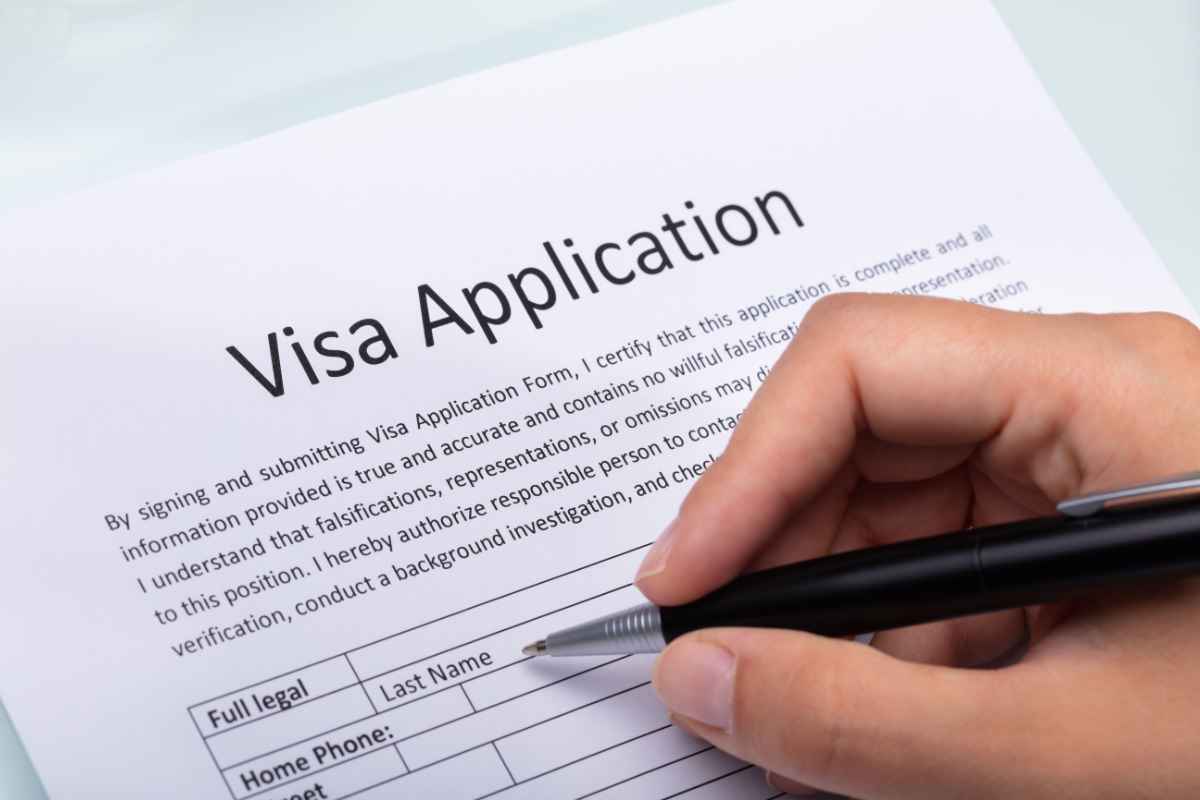
- Complete the Application Form: Fill out the Subclass 500 visa application, ensuring all details match your documents.
- Pay the Visa Fee: The base application fee is approximately AUD 710 (as of 2025), plus additional costs for family members or biometrics.
- Submit Documents: Upload all required documents, following DHA guidelines for file formats and sizes.
- Attend Biometrics and Health Checks: Complete these as requested, based on your country of origin.
- Await a Decision: Processing times vary (4–12 weeks), so monitor your ImmiAccount for updates or requests for further information.
Common Pitfalls and How to Avoid Them
- Incomplete Documentation: Use the DHA’s checklist for Subclass 500 visas and double-check all uploads.
- Weak GTE Statement: Avoid generic or vague statements; provide specific, evidence-backed reasons for studying in Australia.
- Insufficient Funds: Ensure financial evidence is recent, consistent, and meets minimum requirements.
- Incorrect English Test Scores: Verify your course’s English requirements and submit valid test results.
- Late Submission: Apply early to account for processing delays, especially during peak periods (e.g., January or July intakes).
What to Do If Your Visa Is Refused
If your visa is refused, don’t panic. You may have options:
- Review the Refusal Letter: Understand the specific reasons (e.g., GTE concerns, missing documents) to address them.
- Reapply: Correct the issues and submit a stronger application with additional evidence.
- Appeal: If eligible, lodge an appeal with the Administrative Appeals Tribunal (AAT) within 21 days. Note that offshore refusals may not be appealable. The AAT process costs approximately AUD 3,496, with reduced fees for financial hardship.
- Seek Professional Help: Consult a registered migration agent in Australia or immigration lawyer to review your case and guide reapplication or appeals.
Final Tips for a Successful Application
- Start Early: Begin gathering documents and preparing your GTE statement months in advance.
- Stay Organized: Use a digital or physical folder to track all documents and deadlines.
- Be Honest: Provide accurate information to avoid refusals under Public Interest Criterion 4020, which can lead to a 10-year ban.
- Use Official Resources: Rely on the DHA website (homeaffairs.gov.au) or consult a registered migration agent for up-to-date guidance.
- Monitor Your Application: Check your ImmiAccount regularly for updates or requests for additional information.
Conclusion
Applying for an Australian student visa requires meticulous preparation, but with the right checklist and attention to detail, you can submit a strong application. By securing your CoE, crafting a compelling GTE statement, providing robust financial and academic evidence, and meeting health and character requirements, you’ll be well-positioned for approval. Australia offers a world-class education system and vibrant student life, and a successful visa application is your first step toward this exciting journey. If you need assistance, consider engaging a registered migration agent to streamline the process and boost your chances of success. Good luck, and welcome to studying in Australia!