

- Easy Aussie Migration
- June 19, 2026
What Are Most Common Reasons for Visa Denial to Australia?
Share Now:
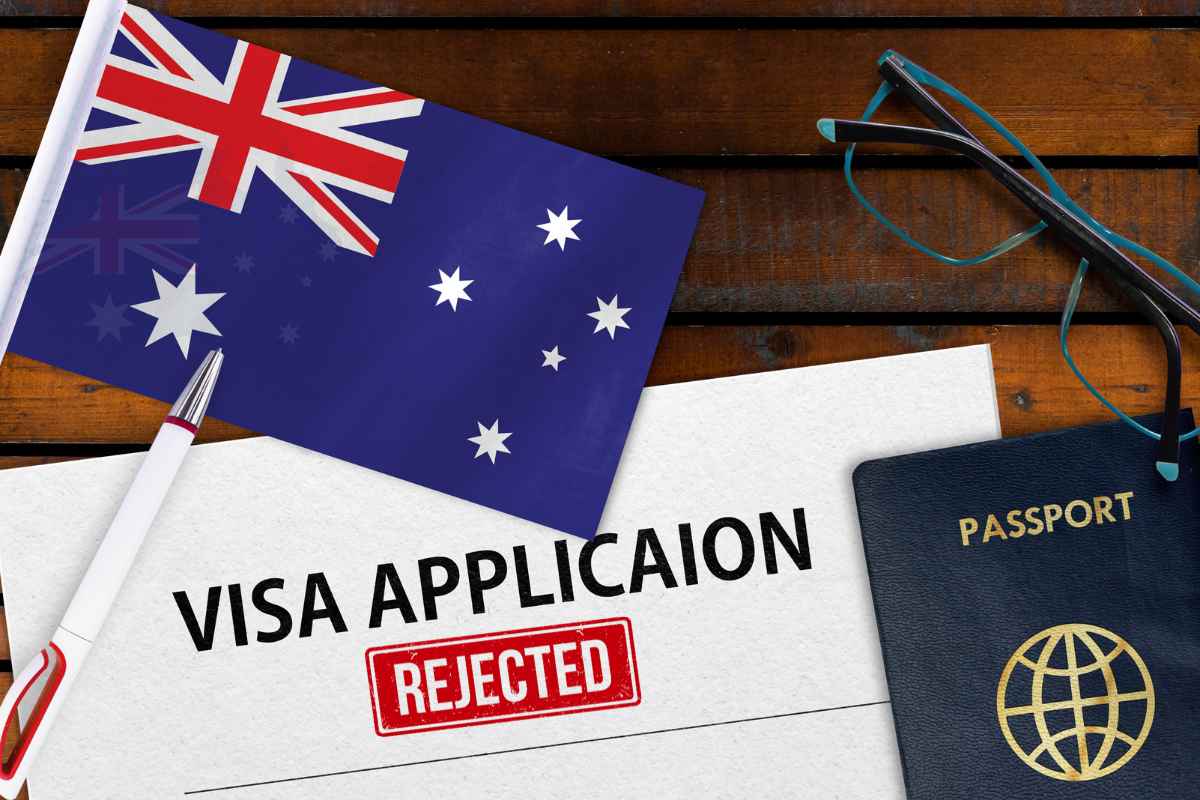
Applying for an Australian visa can be a detailed and sometimes stressful process. Whether you’re applying for a tourist visa, student visa, skilled migration visa, or partner visa, the Department of Home Affairs carefully assesses every application against strict criteria.
While many applications are approved, a significant number are refused each year due to missing documentation, eligibility issues, or concerns about compliance with visa conditions.
Understanding the most common reasons for visa denial can help applicants avoid mistakes and improve their chances of success.
Top 10 Most Common Reasons for Visa Denial to Australia
In this guide, we break down the key factors that often lead to visa refusals and how you can avoid them.
1. Incomplete or Incorrect Documentation
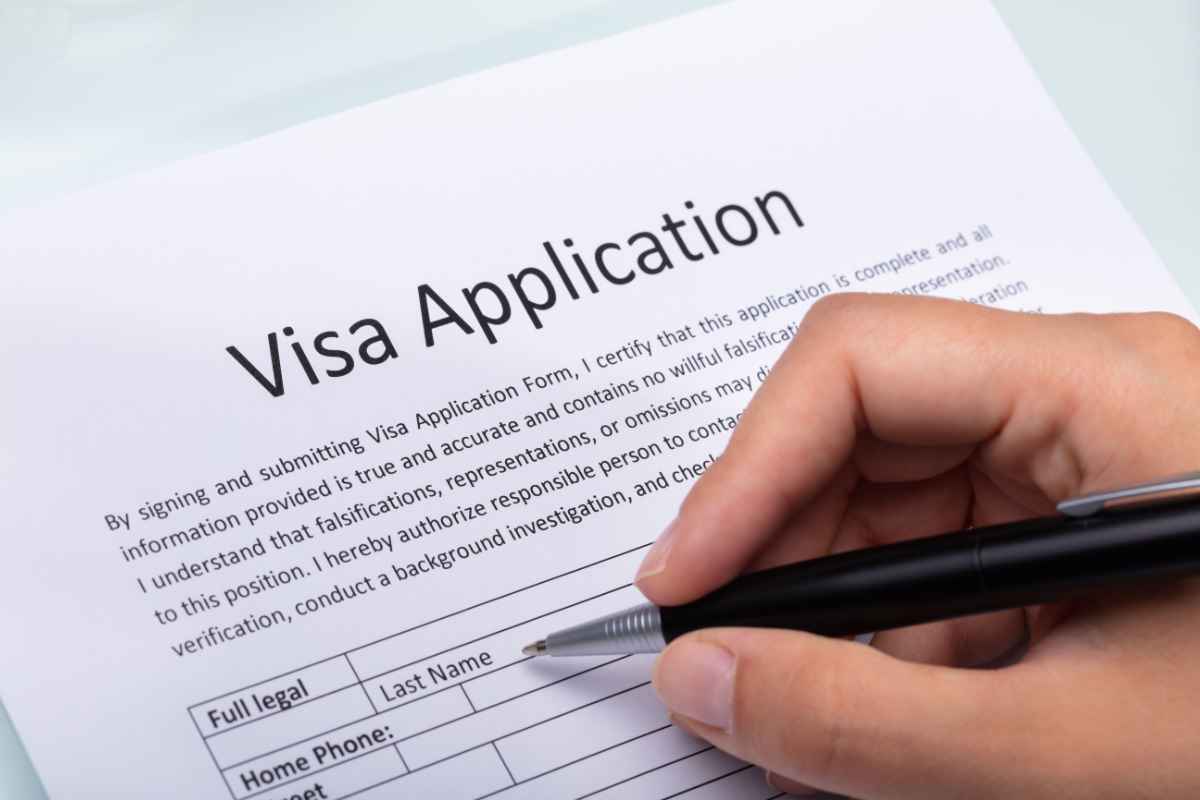
One of the most common reasons for visa refusal is missing, incomplete, or incorrect documentation.
Australian immigration officers rely heavily on documents to verify identity, financial capacity, travel purpose, and eligibility. If any required document is missing or inconsistent, it can raise doubts about the application.
Common documentation issues include:
- Missing passport pages or invalid passport details
- Incomplete application forms
- Outdated financial statements
- Missing employment or education records
- Incorrect supporting documents
Even small errors, such as mismatched dates or spelling mistakes, can result in delays or outright refusal.
How to avoid it: Carefully check the visa checklist provided by the Department of Home Affairs and ensure all documents are accurate, up-to-date, and consistent across the application.
2. Failure to Meet Genuine Temporary Entrant (GTE) Requirements
For visas such as student visas, Australia requires applicants to meet the Genuine Temporary Entrant (GTE) requirement. This means the applicant must genuinely intend to stay in Australia temporarily.
Visa officers assess whether the applicant may attempt to stay permanently without meeting long-term visa conditions.
Red flags include:
- Weak ties to home country
- Unclear study or travel intentions
- Inconsistent personal statements
- Previous visa overstays
- Lack of future plans after visa expiry
For student visas in particular, the GTE statement plays a critical role in approval.
How to avoid it: Clearly explain your reasons for visiting Australia, demonstrate strong ties to your home country (family, job, studies), and provide a logical long-term plan.
3. Insufficient Financial Evidence
Applicants must demonstrate they can support themselves financially during their stay in Australia.
If the Department of Home Affairs believes an applicant cannot afford living expenses, tuition fees (for students), or return travel, the visa may be refused.
Common financial issues include:
- Insufficient bank balance
- Unexplained large deposits
- Lack of steady income history
- Inconsistent financial documents
- Fake or questionable bank statements
Visa officers look for financial stability and transparency.
How to avoid it: Provide clear, consistent financial records such as:
- Bank statements over several months
- Payslips or income proof
- Tax returns
- Sponsor documents (if applicable)
Avoid sudden large deposits without explanation.
4. Health Requirements Not Met
Australia has strict health requirements to protect public health and control healthcare costs.
Applicants may be required to undergo medical examinations depending on the visa type and length of stay.
A visa may be refused if:
- The applicant has a condition that may pose a public health risk
- The condition may place excessive demand on Australia’s healthcare system
- Required medical tests are not completed
- False medical information is provided
Conditions such as tuberculosis or untreated serious illnesses may require further assessment.
How to avoid it: Complete all medical checks honestly and on time through approved panel physicians.
5. Character Requirements and Police Checks
Australia places strong emphasis on character assessment for visa applicants.
Applicants must provide police clearance certificates and declare any criminal history.
Visa refusal may occur if:
- The applicant has a serious criminal record
- There are undisclosed past convictions
- Fraudulent information is provided
- The applicant is considered a risk to the Australian community
Even minor offences not declared can lead to refusal due to dishonesty concerns.
How to avoid it: Be fully transparent. Always declare any past offences and provide supporting documentation where required.
6. Providing False or Misleading Information
Honesty is essential in Australian visa applications. Providing false or misleading information is one of the fastest ways to get a visa refused.
This includes:
- Fake employment details
- Forged financial documents
- Incorrect travel history
- Misrepresentation of relationships or education
- Hidden visa refusals from other countries
Australian immigration systems are highly advanced and often cross-check data with international databases.
How to avoid it: Always provide truthful and verifiable information. Even small inconsistencies can lead to serious consequences.
7. Weak Ties to Home Country
Visa officers must be satisfied that applicants will return to their home country after their visit.
If an applicant appears to have no strong reason to return home, the visa may be refused.
Weak ties may include:
- Unemployment or unstable job history
- No family responsibilities
- Lack of property or assets
- No clear future commitments
This is particularly important for visitor and student visas.
How to avoid it: Provide evidence such as employment contracts, family ties, property ownership, or study commitments in your home country.
8. Previous Visa Refusals or Overstays
A history of visa issues can negatively impact future applications.
Common concerns include:
- Overstaying a previous visa
- Breaching visa conditions
- Prior visa refusals without improvement in application
- Deportation history
While a previous refusal does not automatically mean rejection, it does require stronger supporting evidence in future applications.
How to avoid it: Address past issues honestly and explain how your circumstances have changed.
9. Incorrect Visa Type Selection
Choosing the wrong visa category is another common mistake.
For example:
- Applying for a tourist visa instead of a student visa
- Applying for a skilled visa without meeting occupation requirements
- Using a short-term visa for long-term intentions
Each visa has strict eligibility rules, and selecting the wrong type can result in immediate refusal.
How to avoid it: Research visa categories carefully or seek professional migration advice before applying.
10. Lack of Genuine Intent
Visa officers must be convinced that the applicant’s purpose for visiting Australia is genuine.
If they suspect that the application is not authentic, the visa may be refused.
This can happen when:
- Travel plans are unclear
- Supporting documents do not match stated intentions
- Interview responses are inconsistent
- Purpose of visit is not well explained
How to avoid it: Clearly outline your purpose, whether it is tourism, study, work, or family visit and ensure all supporting documents align with your explanation.
Final Thoughts
Visa refusal to Australia can be disappointing, but in most cases, it is preventable. The most common reasons include incomplete documentation, insufficient financial evidence, failure to meet genuine intent requirements, and inconsistencies in the application.
The key to a successful visa application is preparation, honesty, and attention to detail. Ensuring all documents are accurate, financial records are clear, and intentions are genuine significantly increases your chances of approval.
If you’re unsure about your eligibility or concerned about previous refusals, seeking guidance from a registered migration professional can help you avoid costly mistakes and improve your application outcome.
By understanding the common reasons for visa denial, applicants can approach the process with confidence and clarity, improving their chances of successfully obtaining a visa to Australia.