

- Easy Aussie Migration
- May 8, 2026
DIY vs Migration Agent: Which Path Is Better for Your Visa Journey?
Share Now:
Applying for a visa can be one of the most important decisions in a person’s life. Whether you are planning to study abroad, reunite with family, start a new career, or seek permanent residency, the migration process often comes with strict documentation requirements, changing immigration laws, and high emotional and financial stakes.
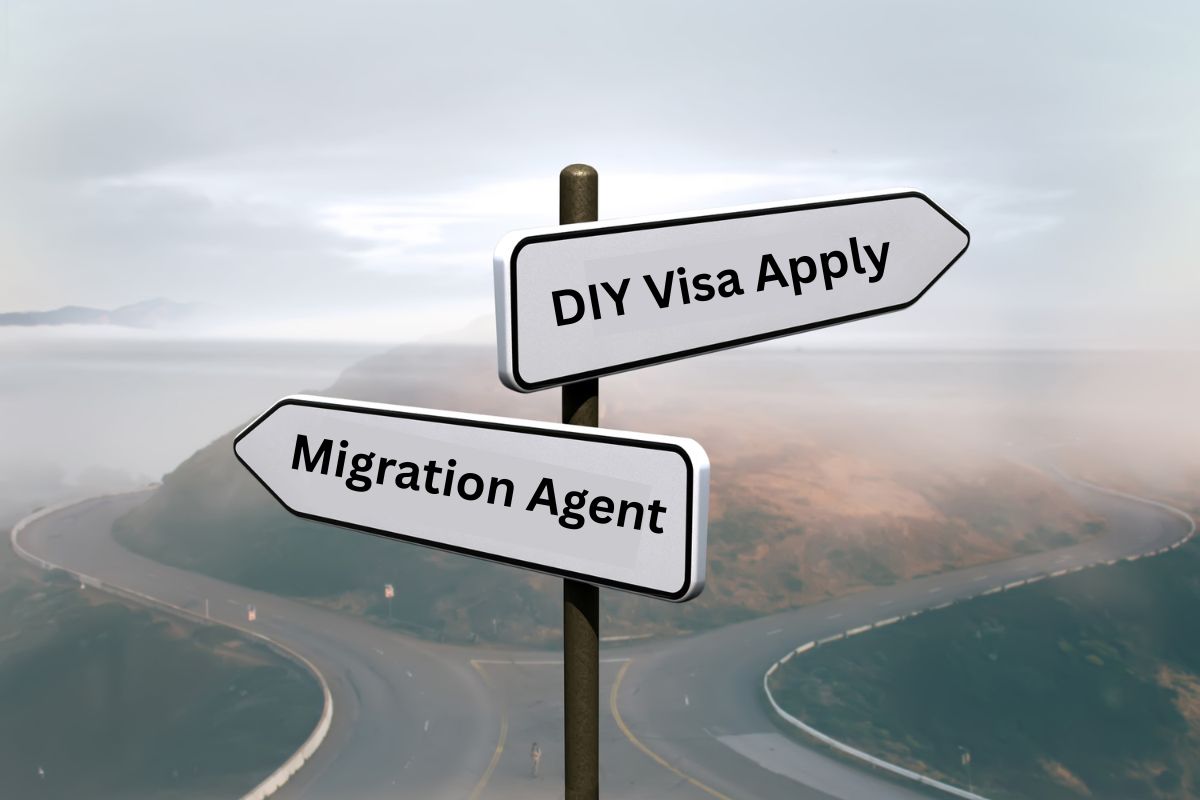
One of the biggest questions applicants face is this: should you handle your visa application yourself (DIY) or hire a migration agent?
Both options have advantages and disadvantages. Some applicants successfully complete the process independently, while others prefer professional guidance to reduce stress and avoid costly mistakes. The right choice depends on your visa type, confidence level, budget, and personal circumstances.
In this blog, we will explore the differences between DIY visa applications and using a migration agent, helping you decide which approach suits your situation best.
What Is a DIY Visa Application?
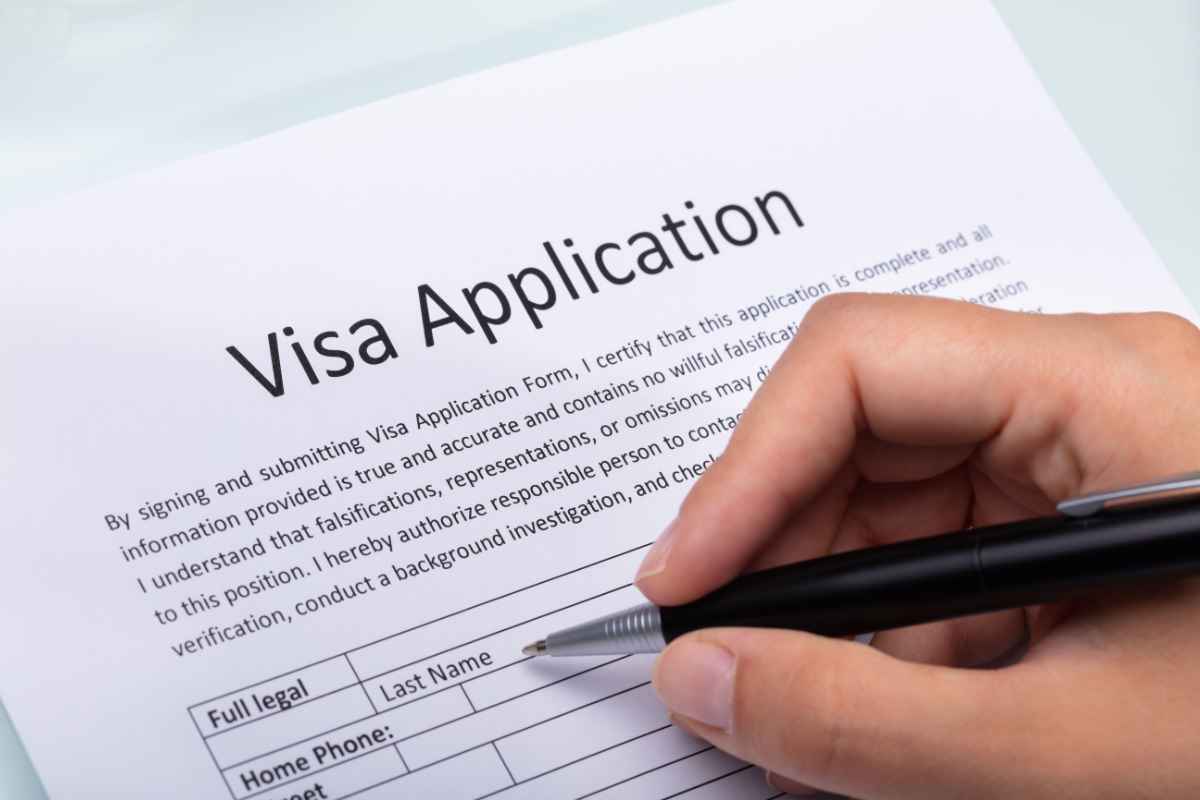
A DIY (Do-It-Yourself) visa application means you manage the entire immigration process on your own without professional assistance. You research visa requirements, gather documents, complete forms, submit the application, and communicate with immigration authorities independently.
Today, many immigration websites provide online portals, guides, and checklists that make self-application possible for straightforward cases.
People often choose the DIY route because it appears more affordable and gives them full control over the process.
What Does a Migration Agent Do?
A migration agent is a professional who assists individuals with immigration and visa applications. Their role typically includes:
- Assessing visa eligibility
- Recommending suitable visa pathways
- Preparing and reviewing documents
- Completing and lodging applications
- Communicating with immigration departments
- Responding to requests for additional information
- Advising on legal and policy changes
- Helping with appeals or refusals
Registered migration agents are trained in immigration law and procedures. Their expertise can be particularly valuable for complicated or high-risk applications.
The Advantages of DIY Visa Applications
1. Lower Costs
The biggest reason people choose DIY applications is cost savings.
Migration agents charge professional fees, which can range from a few hundred to several thousand dollars depending on the visa type and complexity. By applying independently, applicants avoid these service charges and only pay government application fees.
For people on a tight budget, this can be a major advantage.
2. Full Control Over the Process
DIY applicants maintain complete control over every aspect of their application. You decide how documents are prepared, when forms are submitted, and how communication is handled.
Some people prefer this hands-on approach because it allows them to stay closely involved and informed throughout the process.
3. Learning Opportunity
Handling your own visa process forces you to learn about immigration systems, eligibility criteria, and documentation requirements.
This knowledge can be useful for future visa applications, renewals, or sponsorship processes.
4. Suitable for Straightforward Cases
DIY applications can work well when:
- The visa category is simple
- Requirements are clearly defined
- The applicant has strong English skills
- There are no previous refusals
- There are no character or health complications
- Supporting documents are easy to obtain
For example, some tourist visas or simple student visa renewals may be manageable without professional help.
The Disadvantages of DIY Visa Applications
1. Risk of Mistakes
Immigration applications can be highly detailed. Even small errors may result in:
- Delays
- Requests for additional documents
- Visa refusals
- Loss of application fees
Common mistakes include:
- Incomplete forms
- Incorrect information
- Missing deadlines
- Uploading wrong documents
- Misunderstanding eligibility criteria
Immigration departments often apply rules strictly, leaving little room for error.
2. Time-Consuming Process
Researching visa requirements can take significant time and effort. Immigration laws and policies frequently change, and understanding technical language can be challenging.
DIY applicants may spend weeks or months gathering information, checking requirements, and reviewing documents.
For busy professionals, students, or families, the process can become overwhelming.
3. Difficulty Handling Complex Cases
DIY applications become much harder when complications arise, such as:
- Previous visa refusals
- Gaps in employment or education
- Character issues
- Medical concerns
- Partner visa evidence requirements
- Sponsorship complications
- Appeals or cancellations
Without legal or migration knowledge, applicants may struggle to present their case effectively.
4. Emotional Stress
Visa applications often carry emotional pressure because they affect careers, relationships, education, and future plans.
The fear of making mistakes can create anxiety, especially when applicants are uncertain whether they have interpreted requirements correctly.
The Advantages of Hiring a Migration Agent
1. Professional Expertise
Migration agents understand immigration laws, policy updates, and application procedures. They know how to identify potential issues before submission and can guide applicants toward suitable visa pathways.
Their expertise reduces guesswork and increases confidence in the application process.
2. Reduced Risk of Errors
One of the biggest benefits of using a migration agent is accuracy.
Agents carefully review:
- Forms
- Supporting documents
- Evidence requirements
- Timelines
- Eligibility criteria
This helps minimise mistakes that could lead to refusals or delays.
3. Assistance With Complex Situations
Professional support is particularly valuable for complicated applications, including:
- Skilled migration
- Partner visas
- Employer-sponsored visas
- Visa refusals
- Appeals and tribunal matters
- Character concerns
- Health waivers
Experienced agents know how to structure applications and present supporting evidence effectively.
4. Time Savings
A migration agent handles much of the administrative work involved in the process.
Instead of spending countless hours researching immigration laws, applicants can rely on professional guidance and focus on work, studies, or family responsibilities.
5. Strategic Advice
Sometimes applicants may qualify for multiple visa options but are unsure which pathway is best.
A migration agent can help assess:
- Long-term residency goals
- Processing times
- Costs
- Chances of success
- Future citizenship pathways
This strategic planning can prevent applicants from pursuing unsuitable or risky visa options.
6. Support During Communication With Immigration Authorities
If immigration departments request additional information or clarification, migration agents can respond professionally and within required deadlines.
This support becomes especially important when applicants receive complex legal notices or procedural fairness letters.
The Disadvantages of Hiring a Migration Agent
1. Additional Costs
The main drawback is expense.
Professional migration services can be costly, especially for complicated applications. Applicants must pay both:
- Government visa fees
- Migration agent service fees
For some people, these extra costs may not be financially practical.
2. Quality Can Vary
Not all migration agents provide the same level of service.
Some may lack experience, communication skills, or transparency. Others may overpromise results or fail to explain risks clearly.
This is why choosing a qualified and reputable agent is essential.
3. Less Personal Involvement
Some applicants feel disconnected from the process when someone else handles most of the work.
If communication with the agent is poor, clients may feel uncertain about application progress or important deadlines.
4. No Guaranteed Approval
Hiring a migration agent does not guarantee visa approval.
Final decisions are always made by immigration authorities. Even strong applications can be refused if eligibility requirements are not met.
Applicants should be cautious of anyone promising “guaranteed visas.”
When DIY May Be the Right Choice
You may consider applying independently if:
- Your visa category is simple
- You have strong research skills
- You are comfortable reading official immigration guidelines
- English is not a barrier
- Your circumstances are straightforward
- You have sufficient time to manage the process
- You are confident handling online systems and documentation
DIY applications can work well for organised individuals willing to invest time and effort into understanding the requirements.
When Hiring a Migration Agent Makes Sense
Hiring migration agent may be worthwhile if:
- Your case is complicated
- You have had previous refusals
- You are applying for permanent residency
- Your visa involves sponsorships or relationships
- You are uncertain about eligibility
- You face tight deadlines
- You are unfamiliar with immigration procedures
- You want professional reassurance and support
For many applicants, the peace of mind alone justifies the cost of professional assistance.
How to Choose a Good Migration Agent
If you decide to hire a migration agent, take time to research carefully.
1. Look for Registration and Licensing
Always verify that the agent is properly registered according to the immigration laws of the country you are applying to.
Registered professionals are generally required to meet ethical and professional standards.
2. Read Reviews and Testimonials
Check:
- Online reviews
- Client testimonials
- Social media feedback
- Community recommendations
Consistent positive feedback can indicate reliability and professionalism.
3. Ask Questions
Before hiring an agent, ask:
- What experience do you have with my visa type?
- What services are included?
- What are the total fees?
- How will communication work?
- What are the possible risks in my case?
A trustworthy agent should answer clearly and honestly.
4. Avoid Unrealistic Promises
Be cautious of agents who:
- Guarantee approvals
- Encourage false information
- Promise unusually fast outcomes
- Pressure you into immediate payments
Ethical migration professionals explain both opportunities and risks transparently.
Cost Comparison: DIY vs Migration Agent
1. DIY Costs
Typically include:
- Government visa fees
- Medical checks
- Police clearances
- Document translations
- English tests
- Travel expenses
2. Migration Agent Costs
Include all of the above plus:
- Consultation fees
- Application preparation fees
- Professional service charges
While DIY is cheaper upfront, mistakes in self-prepared applications can sometimes lead to expensive reapplications or delays.
Which Option Has a Higher Success Rate?
There is no universal answer because success depends heavily on:
- Accuracy of the application
- Applicant eligibility
- Strength of supporting documents
- Compliance with immigration rules
A well-prepared DIY application can succeed, while a poorly prepared agent-assisted application can fail.
However, migration agents often improve application quality by reducing technical mistakes and identifying risks early.
Final Thoughts
Choosing between DIY and hiring a migration agent is ultimately a personal decision.
DIY applications offer affordability and independence, making them suitable for straightforward cases and confident applicants. On the other hand, migration agents provide expertise, strategic advice, and peace of mind, particularly for complex or high-stakes applications.
The key is to honestly assess your situation:
- How complicated is your case?
- How comfortable are you with legal paperwork?
- How much time can you dedicate?
- Can you afford professional support?
- How important is reducing risk?
For some people, handling the process independently is empowering and cost-effective. For others, professional guidance can save time, reduce stress, and improve confidence throughout the immigration journey.
No matter which path you choose, careful preparation, honesty, and attention to detail are essential for a successful visa application.