


- Easy Aussie Migration
- April 23, 2026
Common Mistakes in Applying for an Australian Partner Visa
Share Now:
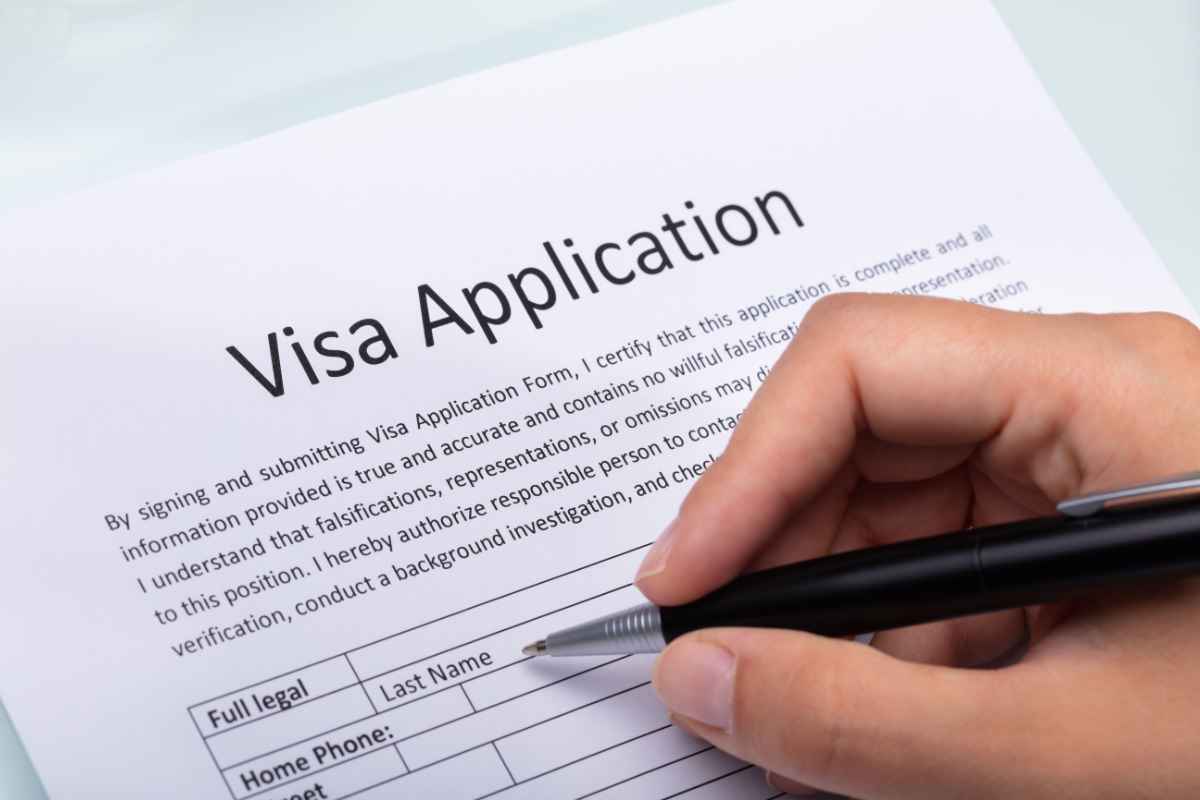
Applying for an Australian Partner Visa is a significant milestone for couples who want to build a life together in Australia. While the outcome can be life-changing, the process itself is often complex, time-consuming, and highly detail-oriented. Many applicants assume that proving a genuine relationship is straightforward, but in reality, the application requires careful preparation, strong documentation, and consistency across all materials.
Even small errors can result in delays, requests for further information, or even visa refusal. Understanding the most common mistakes and how to avoid them, can dramatically improve your chances of success and reduce unnecessary stress during the process.
Below is a comprehensive guide to the most frequent pitfalls applicants encounter when applying for an Australian Partner Visa.
1. Insufficient Evidence of a Genuine and Ongoing Relationship
The cornerstone of any partner visa application is proving that your relationship is genuine, ongoing, and not entered into for migration purposes.
Common mistake: Many applicants rely on a marriage certificate or a handful of photos as proof of their relationship.
Why this is a problem: The Department of Home Affairs assesses relationships holistically. A certificate alone does not demonstrate how your relationship functions in real life.
How to avoid it: Provide evidence across four key categories:
- Financial aspects: joint bank accounts, shared expenses, insurance policies
- Nature of the household: lease agreements, utility bills, living arrangements
- Social aspects: photos, invitations, travel together, social media presence
- Commitment to each other: wills, long-term plans, communication history
The goal is to show a shared life, not just a legal relationship.
2. Weak or Generic Relationship Statements
Applicants and sponsors must each provide a written statement outlining their relationship history.
Common mistake: Submitting vague, short, or templated statements that lack depth.
Why this matters: Case officers rely heavily on these statements to understand your relationship timeline and emotional connection.
How to avoid it: Write detailed, personal statements that include:
- How and when you met
- Key milestones (moving in together, engagements, trips)
- Challenges you’ve faced as a couple
- Your future plans in Australia
Ensure both statements are consistent but written in your own voices.
3. Inconsistencies Across Application Materials
Inconsistencies are one of the fastest ways to raise red flags.
Common mistake: Different dates or details appearing across forms, statements, and documents.
Examples include:
- Different cohabitation start dates
- Travel dates that don’t match passport stamps
- Conflicting accounts of how you met
How to avoid it: Cross-check everything before submission. Create a timeline of your relationship and ensure all documents align with it.
Consistency builds credibility and trust with the decision-maker.
4. Poor Quality or Missing Form 888 Statements
Form 888 (statutory declarations from friends or family) is often underestimated.
Common mistake: Submitting weak statements from people who barely know your relationship or skipping them entirely.
Why it matters: These declarations provide independent verification of your relationship.
How to avoid it: Choose witnesses who:
- Know both partners well
- Have observed your relationship over time
- Can provide specific examples rather than general comments
At least two strong Form 888s are essential.
5. Disorganised or Overwhelming Documentation
Submitting evidence is important, but presentation matters just as much.
Common mistake: Uploading hundreds of unlabelled or poorly organised files.
Why this is risky: A case officer reviewing your application may struggle to interpret your evidence, which can weaken your case.
How to avoid it:
- Group documents into clear categories
- Combine related evidence into single PDFs
- Use descriptive file names
- Include a contents page or index
A clean, structured application makes a strong impression.
6. Delays in Health and Character Checks
Every applicant must meet strict health and character requirements.
Common mistake: Waiting too long to complete medical exams or obtain police clearances.
Why this causes issues: Processing can stall while waiting for these documents.
How to avoid it:
- Apply for police checks early (especially if you’ve lived in multiple countries)
- Complete your health examination promptly after receiving instructions
Being proactive can save months of waiting time.
7. Choosing the Wrong Visa Stream
There are multiple partner visa pathways, and selecting the wrong one can lead to complications or refusal.
Common mistake: Applying for a visa subclass that doesn’t match your situation.
Examples:
- Applying onshore when you’re not eligible
- Applying as de facto without meeting requirements
- Confusion between prospective marriage and partner visas
How to avoid it: Carefully review eligibility criteria before applying. If unsure, seek professional advice.
8. Not Meeting De Facto Requirements
De facto applicants must usually demonstrate at least 12 months of living together.
Common mistake: Applying too early without meeting the cohabitation requirement.
How to avoid it:
- Wait until you meet the 12-month requirement, or
- Register your relationship in an eligible Australian state or territory (if applicable)
This can significantly strengthen your application.
9. Ignoring Periods of Separation or Long Distance
Many couples spend time apart due to work, study, or travel.
Common mistake: Failing to explain gaps in cohabitation or limited physical contact.
Why it matters: Unexplained gaps can raise doubts about the genuineness of your relationship.
How to avoid it:
- Provide communication records (messages, calls, emails)
- Explain clearly why you were apart
- Show efforts to maintain the relationship during that time
Transparency is key.
10. Applying Before You’re Ready
Excitement can lead couples to apply prematurely.
Common mistake: Submitting an application without sufficient supporting evidence.
Why this backfires: A weak initial application can lead to partner visa delays or refusal, even if your relationship is genuine.
How to avoid it: Take time to:
- Build strong documentation
- Review all requirements
- Double-check your application
Preparation is one of the most important factors in success.
11. Failing to Update the Application
Your relationship continues to evolve while your application is being processed.
Common mistake: Not uploading new evidence after submission.
Why this matters: Case officers want to see that your relationship is ongoing.
How to avoid it: Regularly upload:
- Recent photos
- Updated financial documents
- Travel history
- Significant life events
This reinforces the strength and continuity of your relationship.
12. Misunderstanding Bridging Visas and Conditions
Many applicants are granted a bridging visa while waiting for a decision.
Common mistake: Not understanding what you can and cannot do while on a bridging visa.
Potential issues include:
- Working without permission
- Leaving Australia without the correct visa
- Breaching visa conditions unintentionally
How to avoid it: Familiarise yourself with:
- Your visa conditions
- Work rights
- Travel restrictions
Staying compliant is essential.
13. Relying on Outdated or Incorrect Information
Migration policies and requirements change frequently.
Common mistake: Following advice from online forums, friends, or outdated articles.
Why this is risky: Incorrect information can lead to serious mistakes in your application.
How to avoid it: Use official government sources or consult a registered migration agent for accurate advice.
14. Underestimating Processing Times
Partner visa processing is not quick.
Common mistake: Planning life events (weddings, relocations, jobs) based on unrealistic timelines.
Reality: Processing can take many months or even years, depending on your circumstances.
How to avoid it:
- Be patient and flexible
- Maintain valid visa status
- Avoid making irreversible plans too early
15. Overlooking Red Flags in Your Application
Certain factors can attract additional scrutiny.
Common red flags include:
- Large age differences
- Short relationship duration
- Cultural or language barriers
- Previous partner visa refusals
Common mistake: Ignoring these issues instead of addressing them.
How to avoid it: Acknowledge and explain any unusual aspects of your relationship clearly and honestly, supported by strong evidence.
16. Providing False or Misleading Information
This is one of the most serious mistakes an applicant can make.
Common mistake: Exaggerating details or submitting fraudulent documents.
Consequences:
- Immediate visa refusal
- Potential bans on future applications
How to avoid it: Always provide truthful, accurate information, even if some aspects of your case are not ideal.
Honesty is critical.
17. Not Seeking Help for Complex Cases
Some applications are straightforward, but others involve complications.
Common mistake: Trying to manage a complex case alone.
Situations that may require help:
- Previous visa refusals or cancellations
- Criminal history
- Limited evidence of cohabitation
- Complex relationship history
How to avoid issues: Consider consulting a registered migration agent or immigration lawyer if your case is not straightforward.
Final Thoughts
Applying for an Australian Partner Visa is not just an administrative process, it’s a detailed assessment of your relationship and your future together. While the process can feel overwhelming, most mistakes are avoidable with proper preparation, organisation, and attention to detail.
The key is to present a clear, consistent, and evidence-backed story of your relationship. Take the time to gather strong documentation, ensure all information aligns, and stay proactive throughout the process.
A well-prepared application doesn’t just improve your chances of approval, it can also reduce processing delays and give you greater peace of mind during what is often an emotional journey.
If in doubt, seek reliable advice and invest the effort upfront. When it comes to partner visa applications, getting it right the first time is always worth it.